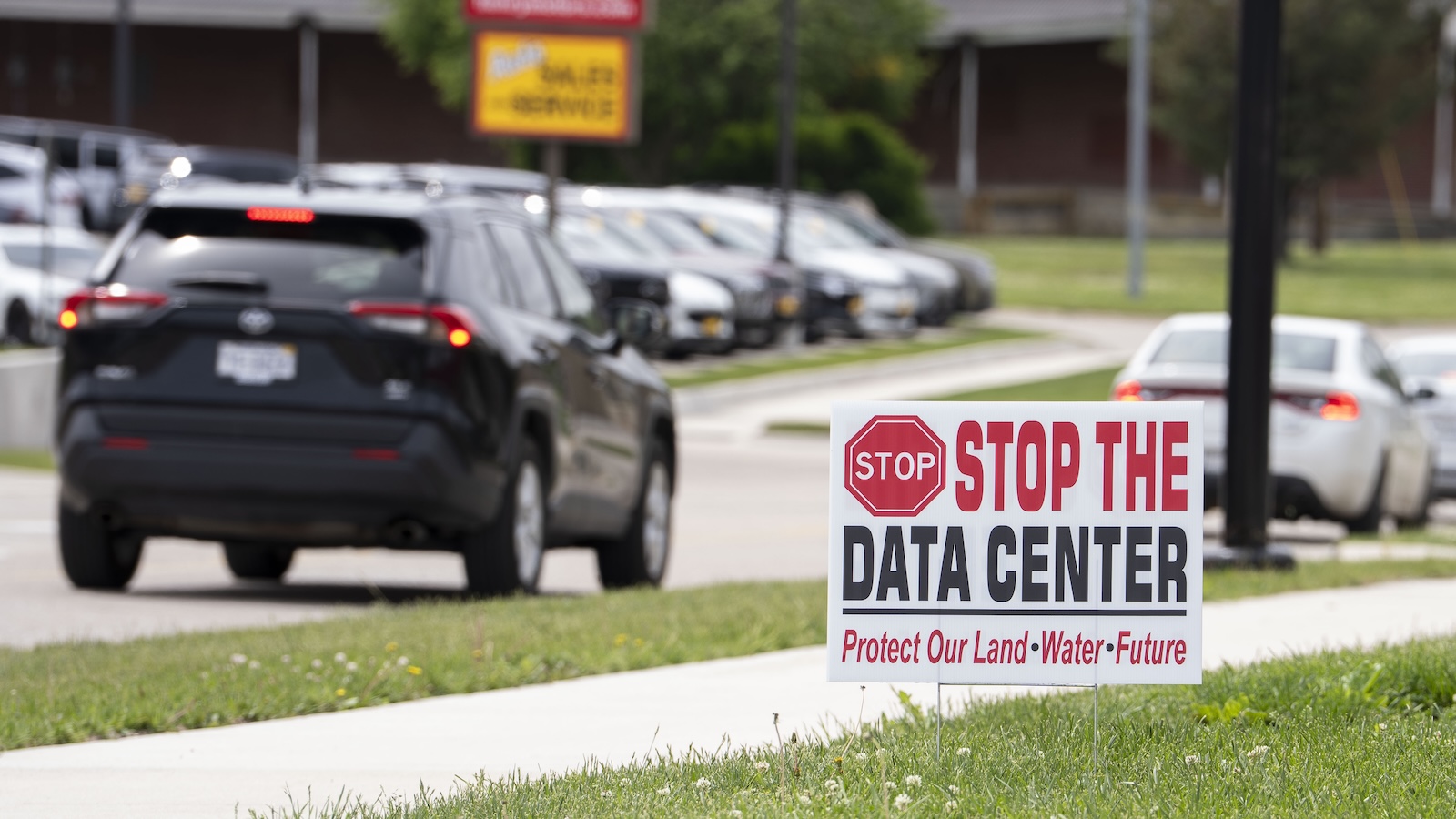
Nebraska communities face mounting pressure from data center expansion, prompting residents and local officials to demand stronger scrutiny of these energy-intensive facilities.
Data centers require enormous amounts of electricity to power servers and cooling systems. The rush to build new facilities in Nebraska, driven by artificial intelligence demand and lower costs than coastal tech hubs, threatens to strain the state's power grid and water resources. Grist reports that residents are pushing back against projects that lack transparent environmental review.
Several Nebraska communities have begun requiring extended permitting processes and environmental impact assessments before approving new data centers. Local officials cite concerns about electricity consumption, water usage for cooling, and grid reliability. The state's major utilities, including Omaha Public Power District and the Nebraska Public Power District, have warned that unexpected large loads could strain capacity during peak demand periods.
Data centers in Nebraska consume billions of kilowatt-hours annually. A single large facility can demand as much power as a mid-sized city. This consumption profile matters especially in regions dependent on fossil fuels or during summer months when cooling demands spike. Water usage compounds the problem. Some data center operators have requested millions of gallons daily from local aquifers, raising concerns about depletion in agricultural areas.
Residents have organized public comment campaigns and attended city council meetings to demand accountability. Some communities now require developers to demonstrate power availability from utilities and commit to renewable energy sources. Others have enacted temporary development moratoriums to allow time for comprehensive planning.
State lawmakers are also examining data center growth. Several bills have proposed environmental review standards and disclosure requirements for large projects. This legislative activity reflects growing recognition that uncontrolled expansion could create long-term infrastructure problems.
The tension between economic opportunity and environmental protection defines this moment. Data centers bring tax revenue and jobs. But Nebraska's finite power supply and water resources cannot support unlimited growth without consequences. Residents are correctly insisting that development proceed only after rigorous analysis of