A coalition of wildlife and environmental NGOs warns that proposed changes to England's planning laws will deepen inequities in green space access, hitting the poorest communities hardest.
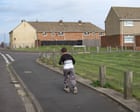
The report identifies 7.4 million people in England living in areas with zero immediate biodiversity access. That population includes 1.4 million children under 15. These nature-deprived zones concentrate in low-income neighborhoods already facing extreme disparities in environmental quality.
The planning law changes would introduce new loopholes for developers. These gaps will allow projects to proceed with reduced obligations to protect or create green infrastructure, the NGOs argue. The result will push already disadvantaged areas further behind in access to parks, gardens, trees, and wildlife habitat.
England's poorest regions already experience disproportionate exposure to pollution, flooding risk, and heat stress. Limited green space compounds these hazards. Trees and vegetation lower urban temperatures, reduce air pollution, filter stormwater, and provide mental health benefits. Children without nearby nature face documented impacts on development and wellbeing.
The report targets a specific policy shift. Developers currently must meet biodiversity net gain requirements under existing rules. The proposed amendments would weaken enforcement and create exemptions, particularly for small or "low-impact" projects. In practice, low-income areas typically attract cheaper development and lower construction standards, meaning fewer projects would face genuine biodiversity obligations.
This pattern reflects broader environmental injustice. Affluent neighborhoods typically have protected green corridors, private gardens, and planning enforcement that blocks damaging development. Poorer areas lack political power to resist encroachment and receive fewer public investments in parks and trees.
The NGO coalition calls for maintaining or strengthening green space protections. They argue the planning changes contradict government commitments to environmental equity and nature recovery. Without intervention, the gap between nature-rich and nature-poor England will widen further, l