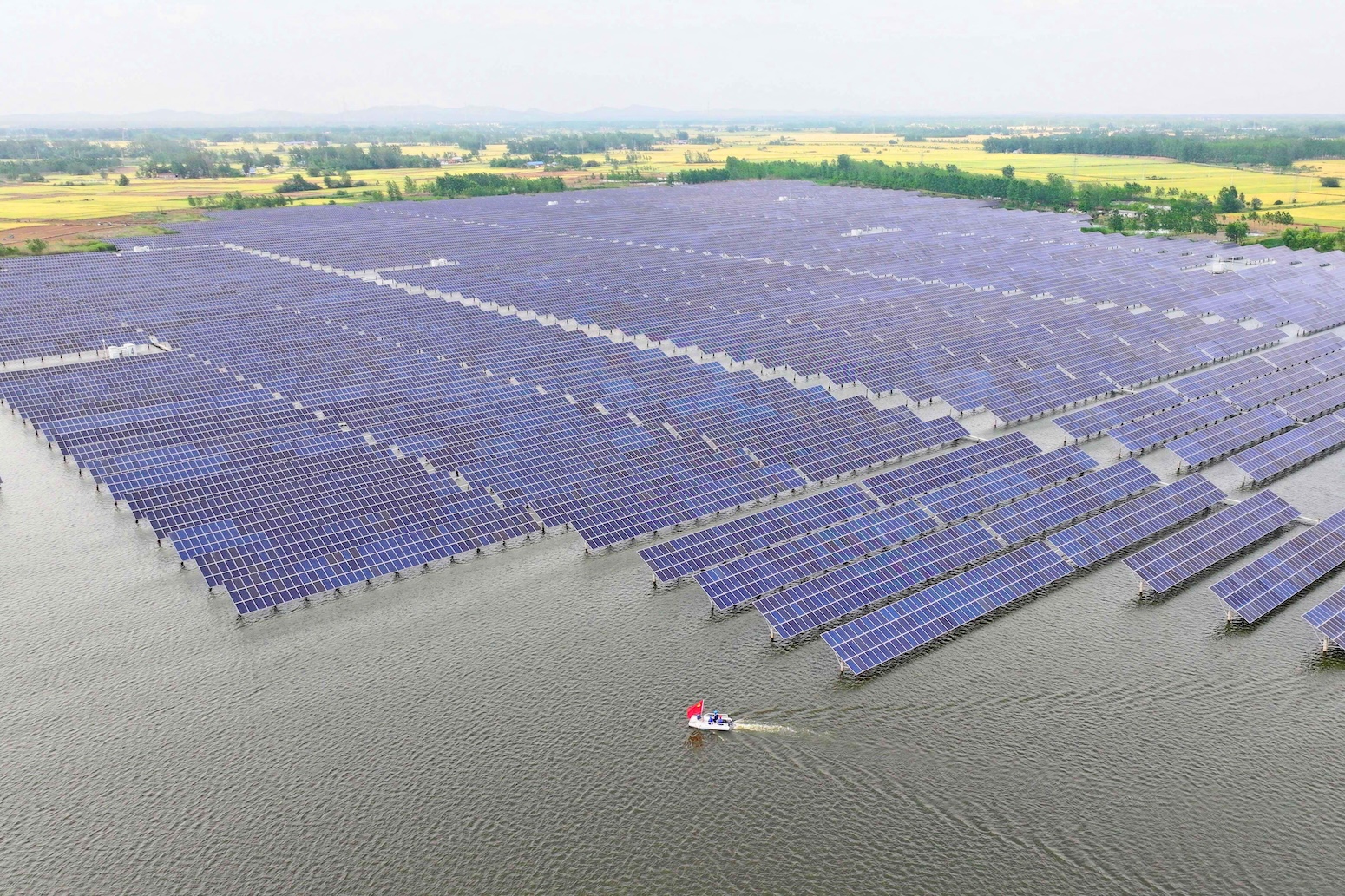
China's solar capacity expansion has decelerated markedly after years of rapid growth. The country installed record amounts of solar capacity through the late 2010s and early 2020s, but new project deployment has slowed as grid integration constraints and subsidy phase-outs reshape investment decisions.
Grid congestion stands as the primary bottleneck. Chinese power networks, particularly in western provinces where solar resources concentrate, struggle to absorb and distribute the intermittent output from massive solar farms. State grid operators face technical challenges balancing renewable electricity with thermal generation across long-distance transmission lines. This congestion has forced developers to wait months or years for grid connection approvals, deterring new project starts.
Subsidy reductions accelerated the slowdown. China's support mechanisms for solar power diminished substantially starting in 2020. The government shifted toward subsidy-free projects, requiring solar farms to compete directly with coal plants on price. While costs have fallen, profitability margins compressed. Developers now demand higher wholesale electricity prices or long-term power purchase agreements to justify investments. Without these guarantees, many proposed projects remain shelved.
Manufacturing overcapacity compounds market pressures. Chinese solar panel makers expanded production capacity aggressively during the boom years. As growth plateaued domestically, producers dumped excess inventory into export markets at depressed prices. This global supply glut reduced equipment costs but squeezed manufacturer margins, dampening demand for new panels domestically.
Policy shifts toward centralized renewable zones represent another factor. The central government increasingly directs solar development into designated mega-projects in deserts and sparsely populated regions rather than distributed installations near consumption centers. These massive projects require longer planning horizons and larger capital commitments, reducing the number of smaller projects that typically fuel growth statistics.
Despite the slowdown, China maintained substantial solar additions in 2023 and 2024. The country remains the