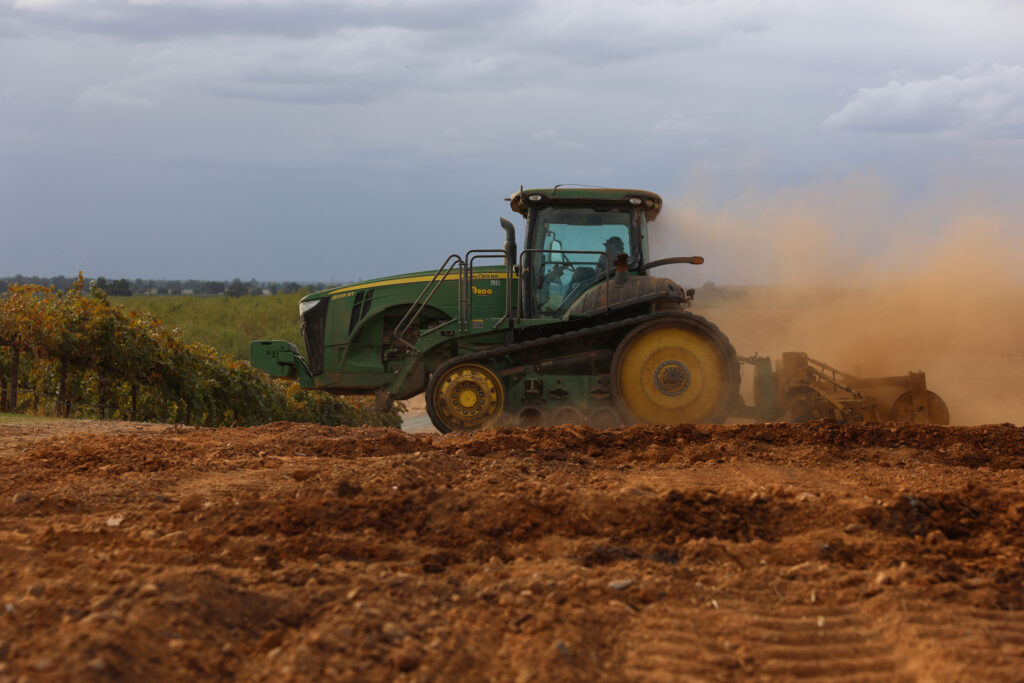
California's Department of Pesticide Regulation approved new restrictions on 1,3-dichloropropene (1,3-D) in January 2024, citing community protection as fumigant applications surge across the state. The agency designated 1,3-D as a carcinogen in 1989 after laboratory studies demonstrated tumor formation in multiple organs. Despite this classification, regulators permitted continued agricultural use for three decades.
The new rule establishes buffer zones around schools and residential areas where 1,3-D application faces stricter limits. California agriculture relies heavily on the fumigant for soil treatment before planting, particularly in strawberry and vegetable production. Usage has accelerated in recent years despite the known health risks.
1,3-D volatilizes readily after soil application, releasing vapors into surrounding communities. Residents in agricultural regions report respiratory symptoms and other health complaints linked to exposure. Farmworkers face direct contact during application and handling.
The carcinogen designation reflects animal studies showing tumor development in liver, stomach, and other organs. Human epidemiological data remains limited, but the animal evidence prompted California to classify 1,3-D as a reproductive toxicant as well.
Environmental justice advocates argue the new buffers remain insufficient. Current regulations allow application within 550 feet of schools under certain conditions and lack comprehensive protections for residential neighborhoods where low-income and farmworker families live. Stricter states like New York have implemented phase-out timelines for similarly hazardous fumigants.
Industry representatives claim 1,3-D provides essential pest control without viable alternatives for many crops. Alternative fumigants carry their own toxicity concerns, complicating replacement strategies.
The rule's effectiveness depends on enforcement. California's pesticide enforcement division has faced chronic understaffing and budgetary constraints that limit inspection capacity. Previous regulatory actions on hazardous