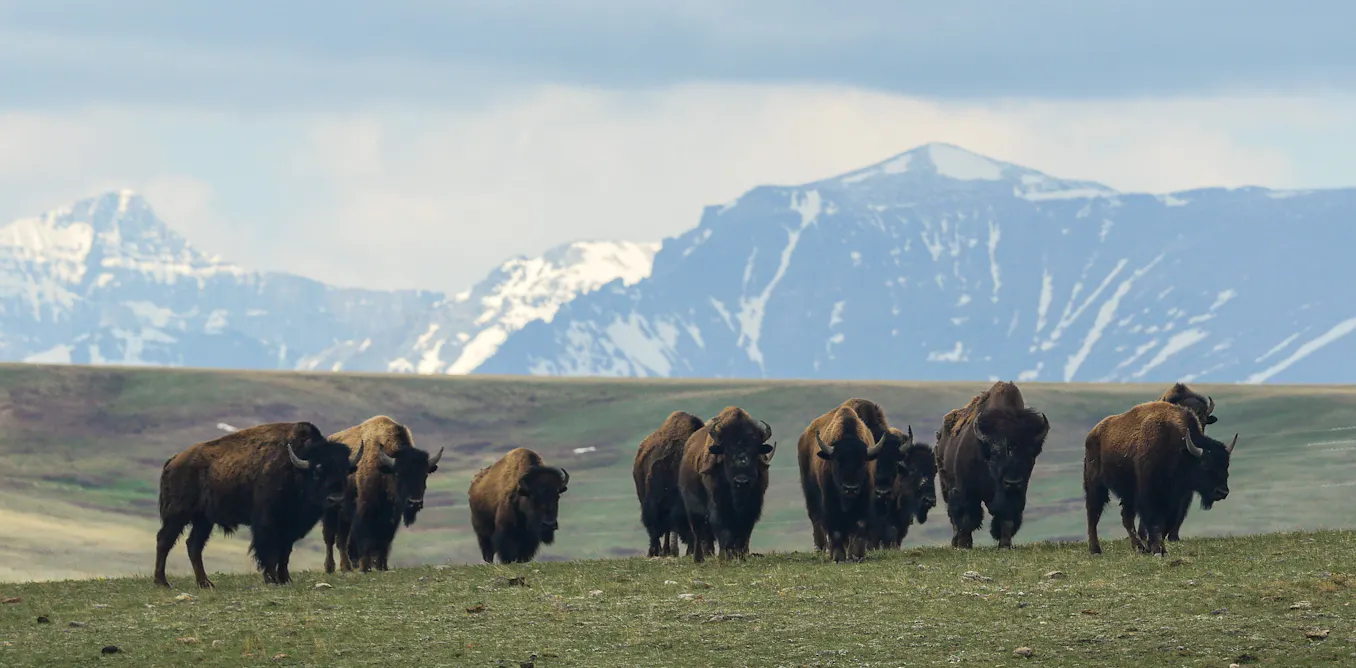
The classification of bison determines everything about their future on the continent. Of the roughly 400,000 bison inhabiting North America, nearly 90 percent are legally categorized as livestock rather than wildlife. This distinction shapes whether tribal nations can manage herds on their ancestral lands, what federal protections apply, and how conservation efforts proceed.
The livestock designation creates substantial obstacles for restoration. Bison classified as livestock fall under agricultural regulations instead of wildlife law. This means tribes seeking to restore herds face different permitting requirements, grazing restrictions, and management protocols than those managing wildlife species. Federal agencies like the U.S. Forest Service and Bureau of Land Management apply separate rules to livestock herds versus wild animals, directly limiting restoration scope.
Tribal nations argue for wildlife reclassification to reclaim stewardship authority. Tribes including the Northern Cheyenne, Blackfeet, and Crow have long-term restoration plans that depend on managing bison as wildlife species. Wildlife designation would grant tribes greater autonomy in herd management on tribal lands and potentially on federal property through cooperative agreements. The Intertribal Bison Cooperative, which manages herds across dozens of tribes, actively pursues policy change on this issue.
Conservation biologists note that the wildlife versus livestock framework reflects outdated land management thinking. Bison provide ecological services including prairie restoration, carbon cycling, and grassland diversity benefits. These ecosystem functions operate independently of legal classification but shape policy effectiveness.
The legal battle intersects with broader questions about tribal sovereignty and environmental management. If bison gain wildlife status, tribes could implement holistic land management practices reflecting traditional ecological knowledge. Current livestock regulations constrain herd size and movement patterns, preventing the large-scale migrations that bison restoration requires.
Western agricultural interests resist wildlife reclassification, citing concerns about rangeland access and livestock competition. These stakeholders argue that livestock regulations