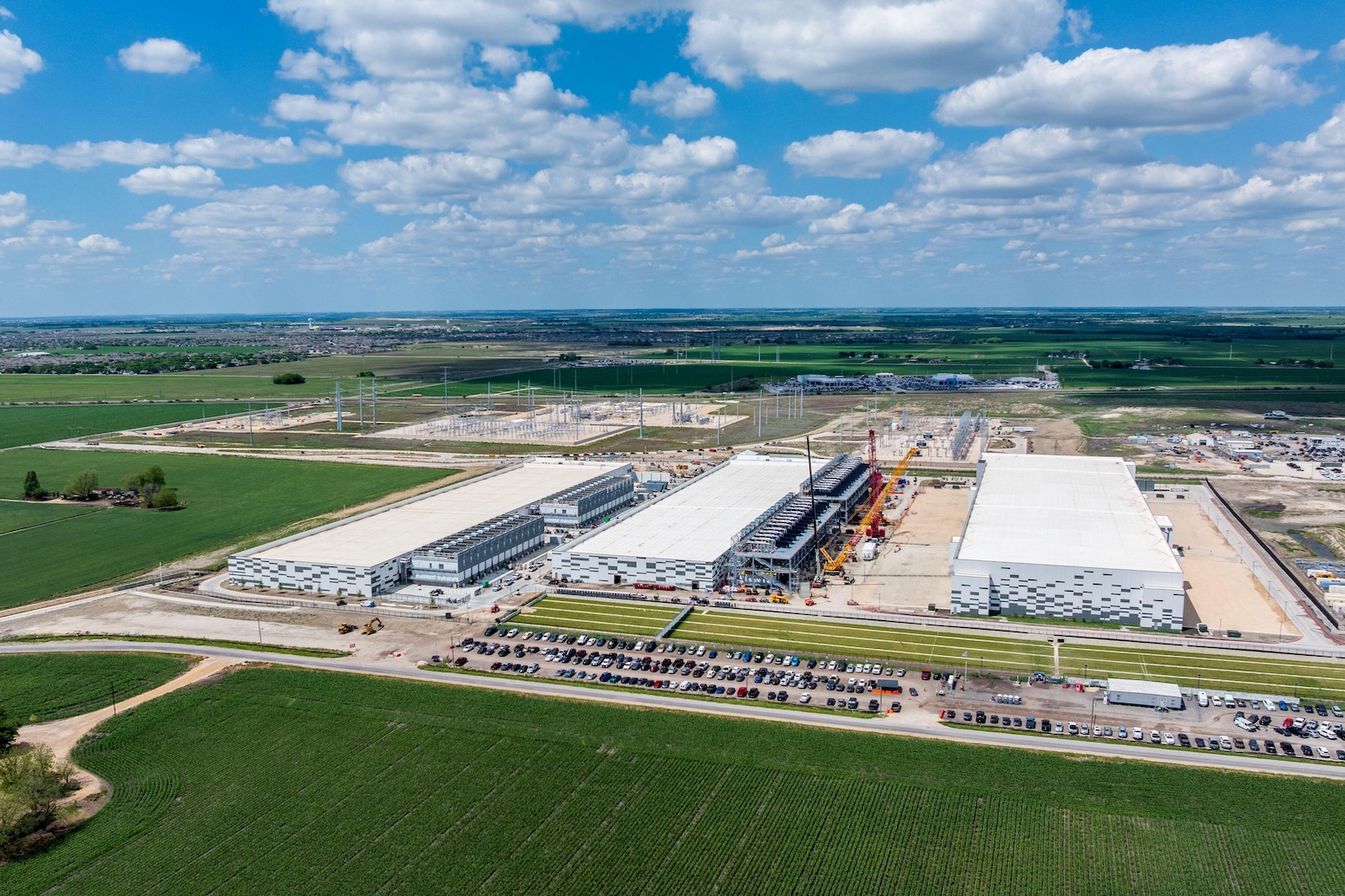
The artificial intelligence boom is driving unprecedented investment in fossil fuel power plants across the United States, surpassing China's spending on new coal and gas infrastructure for the first time in decades.
Data centers powering AI applications consume vast amounts of electricity around the clock. Tech companies building these facilities are increasingly turning to natural gas plants to meet their energy demands, viewing them as faster to deploy than renewable alternatives. This surge in gas investment marks a sharp reversal in the long-term trend that had seen US fossil fuel investment decline relative to China's.
Carbon Brief reports that US spending on new coal and gas power capacity has climbed substantially, driven largely by the data-center sector's expansion. Companies including Amazon, Google, and Meta are securing power contracts from utility operators and independent power providers to fuel their computing infrastructure. The electricity demands of training large language models and running inference operations at scale have created urgent pressure to source reliable baseload power.
The shift presents a direct conflict with US climate commitments. The Biden administration has set targets to reach net-zero emissions by 2050 and to eliminate carbon pollution from the power sector by 2035. Federal policies like the Inflation Reduction Act provide substantial tax credits for clean energy development, yet private capital continues flowing into natural gas infrastructure.
Analysts note that data centers can operate with renewable energy if companies prioritize such investments and grid infrastructure expands accordingly. However, the speed at which AI deployment is scaling outpaces renewable development timelines in most US regions. Natural gas plants take 18 months to two years to construct, compared to 3-4 years for major solar or wind farms plus required transmission upgrades.
This dependency on fossil fuels to power the AI sector represents a broader energy paradox. The technology promising to optimize efficiency and solve complex problems now demands generation from sources that worsen the climate crisis it could help address. Without policy intervention mandating renewable procurement standards or accelerating grid