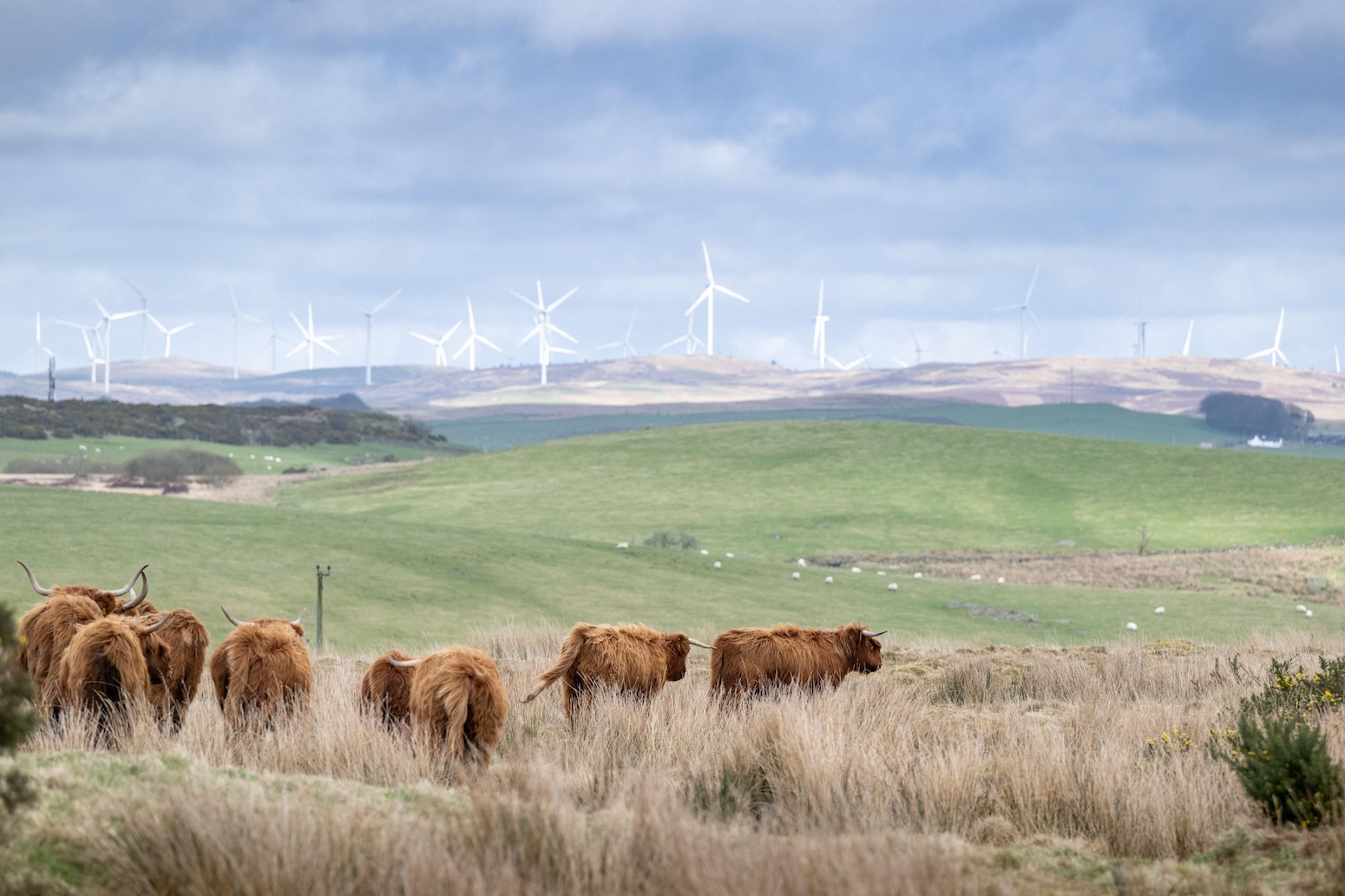
The UK Labour government has set a seventh carbon budget targeting a 87% reduction in greenhouse gas emissions below 1990 levels. The policy framework projects £865 billion in economic benefits over the budget period.
Carbon budgets are legally binding five-year emission reduction caps established under the Climate Change Act 2008. The seventh budget covers 2033-2037 and represents the UK's most ambitious climate commitment to date. The 87% reduction target aligns with the country's 2050 net-zero goal while accounting for remaining residual emissions that cannot be eliminated through current technology.
The government estimates net economic gains stem from avoided climate damages, job creation in clean energy sectors, and reduced healthcare costs associated with air pollution. The £865 billion figure reflects net benefits after accounting for transition costs across power generation, transport, buildings, and industrial sectors.
Key transition areas include accelerating renewable energy deployment, particularly offshore wind and solar capacity, alongside electrification of transport and building heating. The budget also mandates emission reductions in agriculture and waste management, sectors historically difficult to decarbonize.
The Committee on Climate Change, an independent statutory advisor, assessed the seventh budget's feasibility against current policy trajectories. The Committee's analysis concluded that meeting the target requires acceleration in renewable deployment timelines, enhanced grid infrastructure investment, and policy support for industrial decarbonization.
Achieving the 87% reduction involves phasing out coal power generation entirely, scaling up heat pump installations in residential buildings, and expanding electric vehicle market share. Manufacturing and chemical production sectors face requirements to adopt hydrogen-based processes where viable.
The government committed these targets following the Climate Change Committee's recommendations, which emphasized that delayed action increases both climate risks and economic costs. The Labour administration framed the seventh budget as economically rational, positioning climate action as a driver of industrial competitiveness and employment rather than a fiscal burden.
Implementation depends on coord