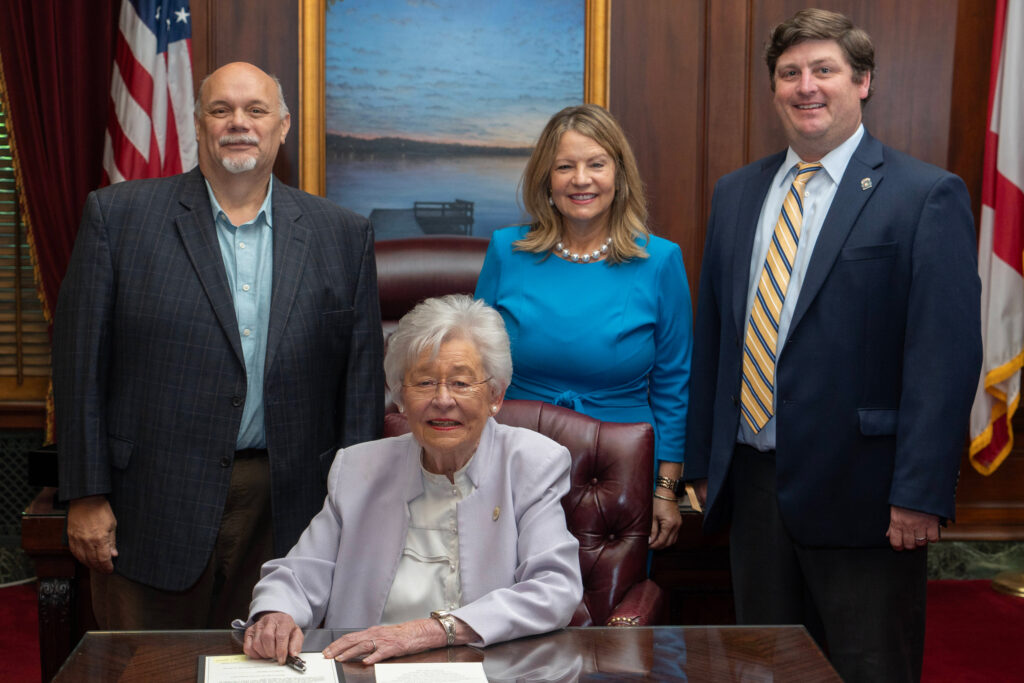
Alabama voters are punishing utility regulators over rising energy costs, rejecting one incumbent and forcing another into a runoff during the May 26 primary election for the Public Service Commission, the state agency that oversees utilities.
The electoral reversal reflects growing voter frustration with utility bills across Alabama. Energy prices have climbed significantly, putting pressure on household budgets and translating directly into electoral consequences for the regulators who approve rate increases.
The Public Service Commission holds substantial power over Alabama's energy landscape. The three-member body sets rates for major utilities and influences the state's energy mix. Alabama generates roughly 30 percent of its electricity from nuclear power at Browns Ferry and other plants, with natural gas and coal providing most of the remainder. Renewable energy accounts for less than 5 percent of the state's generation.
Utility rate cases have become flashpoints for public anger. When utilities request rate increases to fund infrastructure upgrades or address fuel costs, the commission must weigh company claims against consumer protection. Rising costs across the Southeast have made these decisions increasingly contentious. In Alabama, the average residential electric bill has risen substantially over recent years, outpacing inflation in many cases.
The primary results signal that Alabama voters are assigning blame for high energy prices directly to regulators. Incumbent commissioners face re-election pressures when constituents struggle with mounting bills, even when broader market forces or federal policy drive price increases. The outcome suggests that energy affordability ranks among top voter concerns in the state, competing with traditional political divides.
The runoff election will determine two seats on the commission during a period when utilities face mounting pressure to invest in grid modernization and potential renewable energy expansion. Alabama's energy policy direction depends partly on who occupies these regulatory seats. The electoral outcome could shift the commission's approach to rate approvals and long-term planning around generation sources.