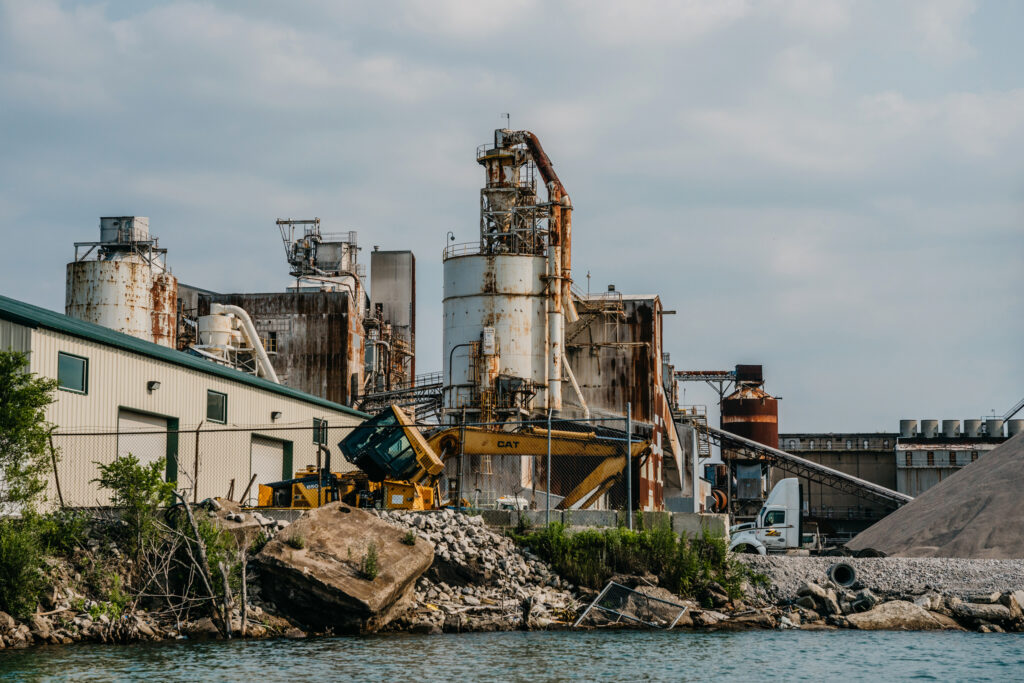
Illinois environmental justice advocates secured a legislative victory after years of organizing in frontline communities. The state legislature passed a bill last week that expands regulatory authority over industrial air polluters operating in environmental justice neighborhoods. The measure takes effect January 1.
The legislation mandates stricter oversight of facilities emitting toxic air pollution in communities of color, which have historically borne disproportionate pollution burdens. Industrial zones frequently border low-income residential areas in Illinois cities, exposing residents to elevated asthma rates, respiratory disease, and other health impacts linked to airborne contaminants.
The bill represents a policy shift toward enforcement mechanisms that environmental groups say have been absent or inadequate under previous regulations. State agencies now gain explicit authority to monitor and enforce emissions standards in designated environmental justice areas, addressing a gap that allowed polluters to operate with minimal accountability in vulnerable neighborhoods.
Activists in Illinois documented the concentration of refineries, chemical plants, and manufacturing facilities in predominantly Black and Latino communities. Research from environmental health groups correlated proximity to these industrial sources with measurable increases in childhood asthma hospitalizations and premature mortality rates.
The passage follows sustained organizing by local residents and advocacy organizations who demanded state action. Illinois joins a growing number of states integrating environmental justice considerations into air quality regulations. California, New York, and Massachusetts have implemented similar policies requiring heightened scrutiny of facilities in disadvantaged communities.
Implementation challenges remain. State agencies must develop specific emissions standards, monitoring protocols, and enforcement procedures to operationalize the bill's requirements. Funding allocation for expanded regulatory capacity has not been fully detailed.
Environmental justice advocates framed the victory as partial. They continue pushing for additional protections, including stricter permitting standards for new industrial facilities and community consent mechanisms. However, the expanded state oversight represents tangible progress in holding polluters accountable in neighborhoods that have historically lacked political power to challenge industrial zoning decisions.