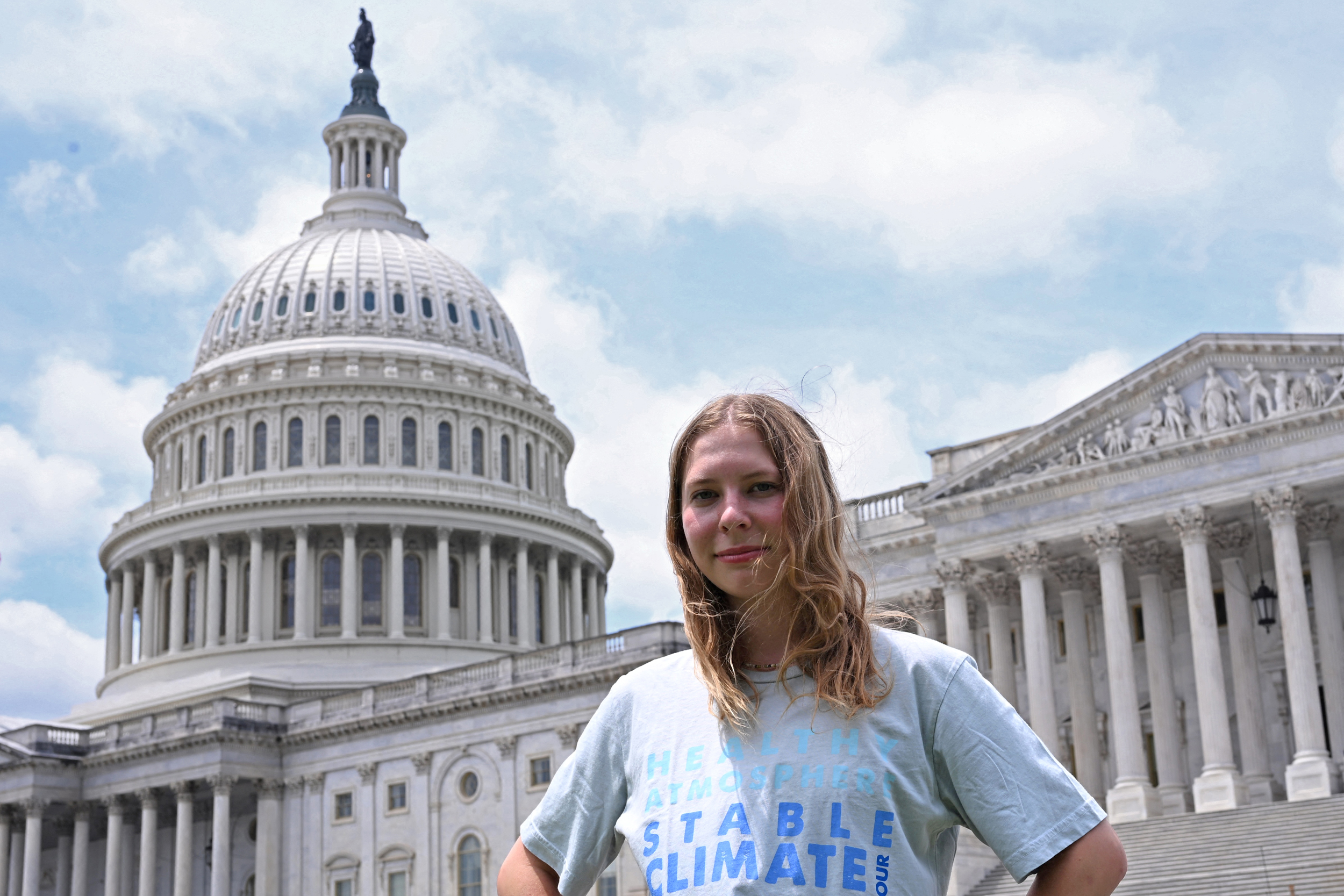
A federal appeals court upheld the dismissal of a youth-led constitutional climate lawsuit against the Trump administration, ruling that young plaintiffs lacked legal standing to challenge executive orders promoting fossil fuel development.
The decision affirmed a lower court's earlier dismissal, siding with the Trump administration and 19 Republican-led states in rejecting the case. The ruling narrows pathways for climate plaintiffs seeking to use federal courts to block energy policies they argue violate constitutional rights.
The lawsuit centered on executive orders designed to expand fossil fuel extraction and development. Youth plaintiffs argued these policies would cause direct harm through climate change impacts, claiming violations of constitutional protections including due process rights and property interests.
The appeals court found the plaintiffs failed to establish legal standing, a threshold requirement in federal litigation that demands plaintiffs demonstrate concrete injury traceable to defendant actions. Courts have repeatedly applied stringent standing requirements to climate cases, requiring plaintiffs to show particularized harm rather than generalized injury from atmospheric greenhouse gas concentrations.
This decision reflects broader judicial skepticism toward climate litigation strategies targeting federal energy policy. Federal courts have rejected multiple constitutional climate cases filed by youth and environmental groups, consistently holding that remedies for climate policy disputes belong in legislative and executive branches rather than courtrooms.
The dismissal comes as the Trump administration has expedited approvals for fossil fuel projects. Executive orders signed early in the administration targeted renewable energy regulations, expanded oil and gas leasing on federal lands, and rolled back emissions standards for vehicles and power plants.
The case represented one of several youth-led climate suits filed against federal governments in the United States. While some state-level courts have allowed climate cases to proceed, federal courts have maintained narrow interpretations of standing doctrine that effectively shield energy policies from constitutional challenge.
Environmental and youth advocacy groups continue exploring alternative legal strategies, including suits targeting specific agency decisions rather than broad policy frameworks, though federal courts have applied similar standing barriers to