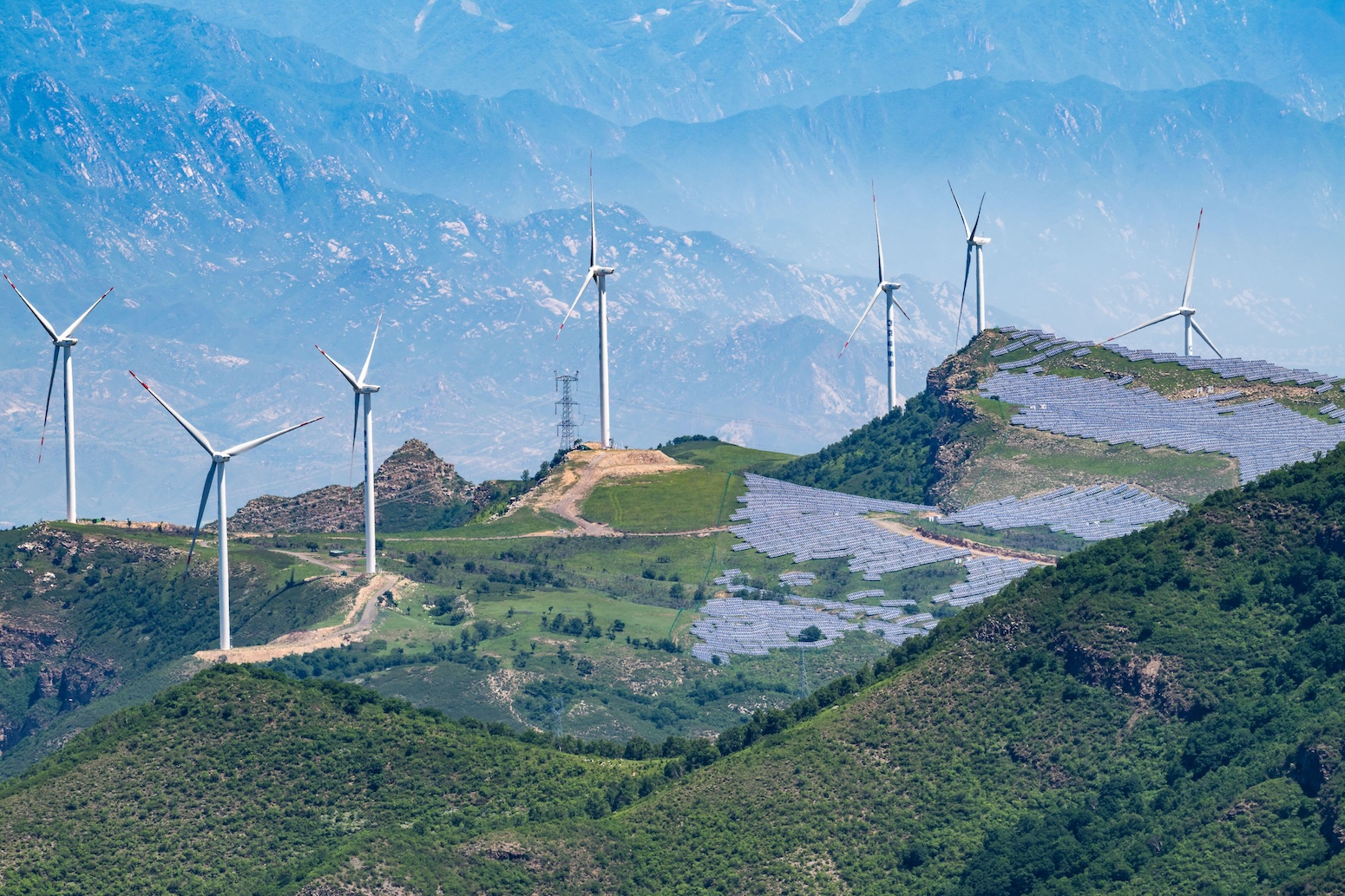
China's carbon dioxide emissions rose 2 percent in the first quarter of 2026, driven largely by coal power generation that increased as the country wasted substantial renewable energy capacity.
The growth marks a departure from China's recent emissions trajectory. Wind and solar installations generated excess power that the grid could not absorb, forcing operators to rely more heavily on dispatchable coal plants to meet demand and maintain grid stability.
This phenomenon, known as curtailment, reflects a mismatch between renewable deployment and grid infrastructure. China added record wind and solar capacity in 2025, but transmission networks and energy storage systems lagged behind. Rather than store or transmit the renewable power across regions, much of it went unused while coal plants ramped up to fill the gap.
The data comes from Carbon Brief's analysis of China's official power generation statistics. Coal output jumped 3.2 percent year-over-year in Q1 2026, even as renewable sources contributed more total electricity. The inefficiency undercuts climate gains from the renewable buildout.
Chinese policymakers face a dual challenge. The country must continue expanding wind and solar capacity to meet its carbon neutrality goals by 2060, but simultaneous investment in grid modernization remains insufficient. Battery storage capacity grew, yet not fast enough to absorb the renewable surge.
Industry analysts warn that without faster upgrades to transmission infrastructure and storage systems, China risks repeating this pattern. The government announced plans to accelerate grid connectivity and battery capacity additions, though timelines remain unclear.
The 2 percent emissions increase occurs as global carbon concentrations continue climbing. China accounts for roughly 30 percent of worldwide CO2 emissions. Even modest annual growth rates compound over decades, making the timing of infrastructure investments critical for meeting Paris Agreement targets.
Energy experts stress that China's renewable deployment numbers are genuine achievements. The curtailment problem reflects logistics, not a failure of wind