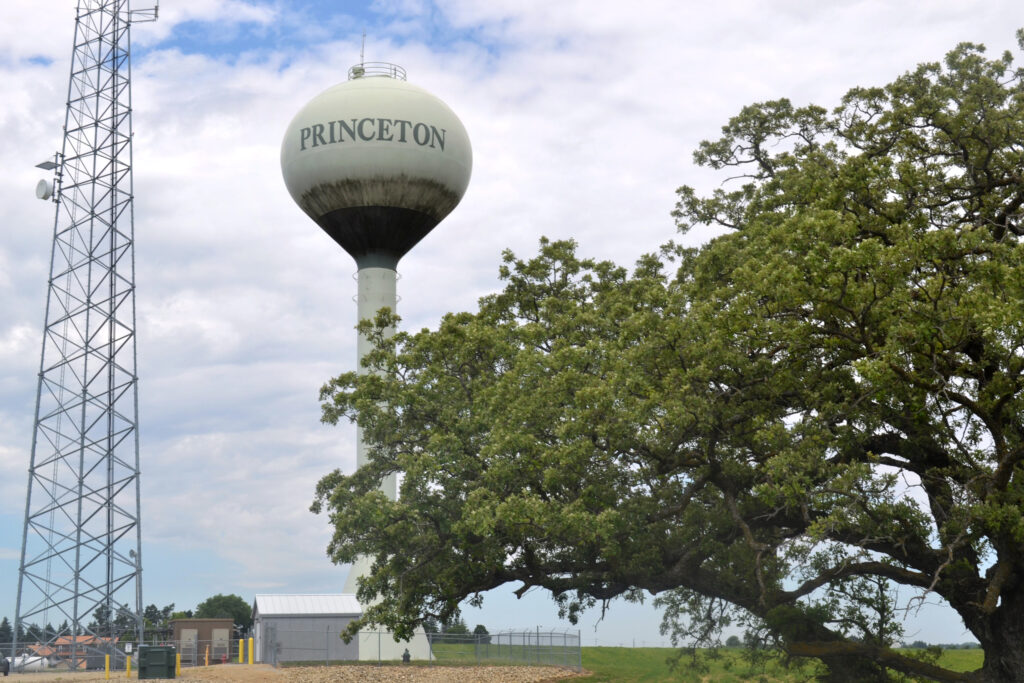
Princeton, Iowa invested $800,000 in a new municipal water well in 2022, only to discover the facility produces water unsafe for human consumption. The well, drilled to serve the town's roughly 1,000 residents, encountered immediate operational problems when an oversized pump triggered eight months of water main breaks before engineers installed a smaller motor.
The reduction in pump capacity exposed the actual issue: contamination rendering the water undrinkable. The article references an "all-too-familiar" problem, suggesting nitrate or bacteria contamination common to agricultural regions of the Midwest. Princeton sits on the Mississippi River in an area dominated by corn and soybean farming, where fertilizer runoff regularly infiltrates groundwater supplies.
The town now faces a cascading crisis. It has spent $800,000 on infrastructure that cannot serve its core function. Officials must decide whether to invest additional capital in treatment systems to remove contaminants, abandon the well entirely, or pursue alternative water sources. Each option carries substantial costs for a small municipality with limited tax revenue.
This situation reflects a broader water security challenge across rural America. Many small towns depend on aging or inadequate water infrastructure while groundwater quality deteriorates from agricultural chemical inputs. The Environmental Protection Agency sets maximum contaminant levels for drinking water, but treatment retrofits require funding many rural communities cannot access. Federal and state grant programs exist, yet competition for resources remains fierce.
Princeton's predicament illustrates why water infrastructure investment demands upfront geological and chemical assessment. Drilling a well without comprehensive testing of subsurface conditions created a sunk cost problem. The town now must determine whether remediation makes financial sense or whether it should reallocate funds toward purchasing treated water from a neighboring utility.
The failed well serves as a cautionary example for other rural municipalities considering infrastructure upgrades. Proper hydrogeological surveys before construction could have identified contamination risks. For Princeton,