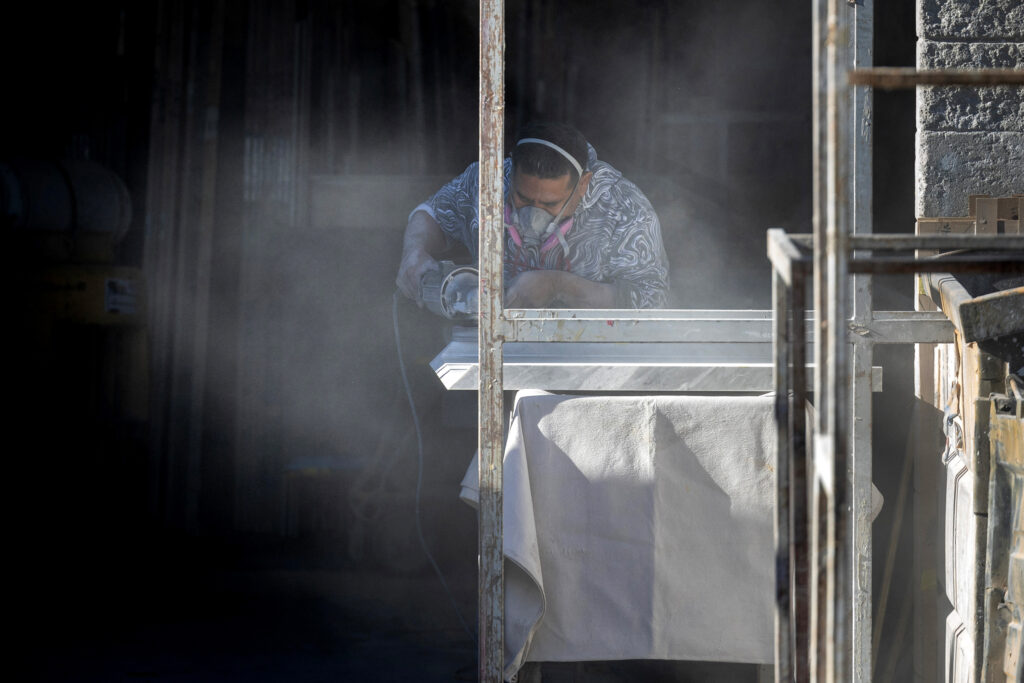
The World Health Organization lacks adequate focus on occupational health threats tied to climate change, according to experts calling for systemic reform at the UN agency.
Nearly 3 million workers die annually from job-related accidents and exposures globally. Hundreds of millions more suffer workplace injuries or illnesses each year. Climate change compounds these risks substantially. Rising temperatures expose millions of workers to dangerous heat stress, while wildfire smoke reaches agricultural workers, construction crews, and outdoor laborers across multiple continents. Mining, fishing, and manufacturing sectors face compounding hazards as environmental conditions deteriorate.
The WHO's current framework does not adequately address how climate impacts amplify occupational hazards. Workers in developing nations face disproportionate exposure. Agricultural laborers in South Asia and sub-Saharan Africa experience heat stress that reduces productivity and causes heat-related illness. Wildfire smoke from Canada and Australia reaches workers thousands of miles away. These exposures overlap with existing workplace dangers—inadequate ventilation, chemical exposure, and poor safety infrastructure in many regions.
Experts argue the WHO must elevate occupational health as a climate adaptation priority. This requires integrating worker protections into climate resilience planning and setting binding standards for heat exposure limits. Nations need funding to upgrade workplace safety infrastructure and early warning systems for heat and air quality events.
The gap reflects broader institutional inertia. The WHO traditionally separates occupational health from climate policy, treating them as distinct domains. Experts say this siloed approach fails workers whose livelihoods depend on outdoor labor or hazardous industries where climate effects intensify existing risks.
Advocates call for the WHO to establish dedicated funding mechanisms for occupational climate resilience, conduct epidemiological research linking specific jobs to climate-driven health outcomes, and work with labor organizations to enforce protections. Without organizational commitment, millions of workers will continue facing escalating health threats with minimal institutional support or monitoring.