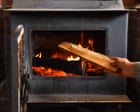
A systematic investigation by University of Massachusetts Amherst researchers has found that residential wood burning reintroduces lead pollution into air that communities breathed for decades before the metal was banned from gasoline in 1996.
The study analyzed particle pollution samples collected over seven winters from five suburban and rural towns in Massachusetts. Researchers identified lead concentrations in wood smoke that exceeded historical baselines, revealing the metal originates from the wood itself rather than from leaching lead-based paint residues in fireplaces.
Lead exposure carries severe neurotoxic effects, particularly for children. The metal damages developing brains, impairing cognitive function and reducing IQ even at low exposure levels. Health agencies including the EPA have established that no safe exposure threshold exists.
The research team determined that lead naturally present in wood becomes aerosolized during combustion and disperses into surrounding neighborhoods. This mechanism operates independently of whether homes contain old lead paint, meaning wood-burning stoves and fireplaces function as direct atmospheric lead sources.
The findings challenge assumptions that modern wood heating poses minimal air quality risks. While wood burning produces particulate matter and other pollutants, the lead component represents an overlooked contributor to environmental neurotoxin exposure. Rural and suburban communities relying on wood for supplemental heat face elevated exposure, particularly during winter months when heating demands peak.
The study's scope covered multiple heating seasons, providing robust data across varying weather patterns and burning conditions. This longitudinal approach strengthens the evidence that lead emissions from wood combustion occur consistently rather than sporadically.
Policymakers face a decision about wood heating regulations. Some jurisdictions have implemented restrictions on new wood stove installations or mandated retrofits with cleaner-burning technology. The UMass research strengthens the case for expanded restrictions by documenting that wood-burning heating systems actively contaminate local air with a proven neurotoxicant.
Communities with