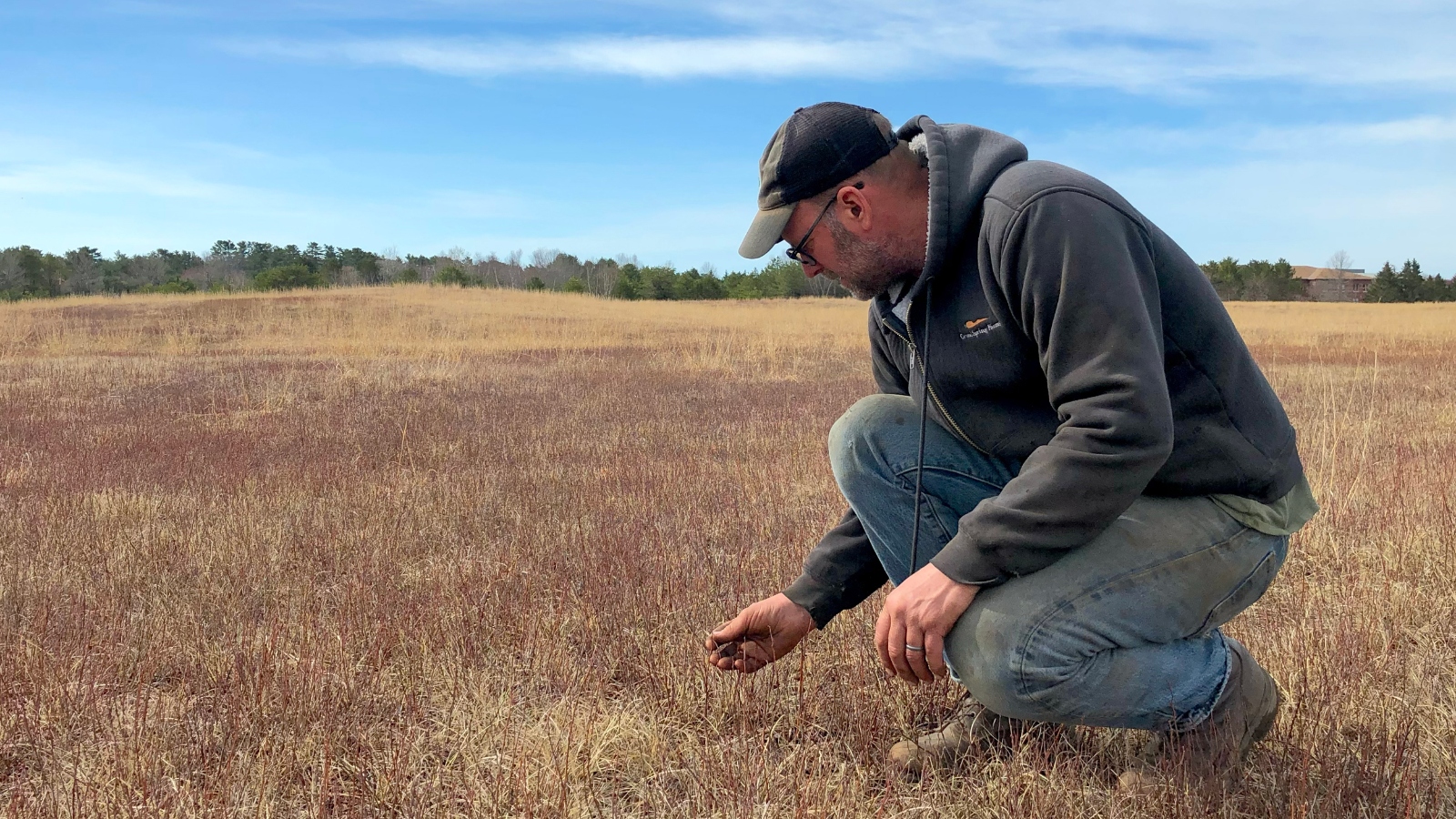
Wild blueberry farms across Maine face mounting losses as climate disruption alters growing conditions. Heat waves and prolonged droughts stress the shallow-rooted plants, cutting yields for growers who depend on consistent harvests. Farmers report paying more for mulch and irrigation systems to compensate for dry soil and erratic rainfall patterns.
Maine's wild blueberry industry generates roughly $100 million annually and employs thousands during peak harvest season. The crop thrives in acidic, sandy soils and cool summers. Rising temperatures push growing seasons out of sync with traditional harvest windows. Extended heat periods damage fruit quality and reduce plant vigor across fields.
Irrigation, traditionally unnecessary in Maine's maritime climate, now ranks among top operational expenses. Mulching costs have climbed as farms battle moisture loss and soil temperature spikes. Small operators lack capital reserves to absorb these mounting input costs while yields decline.
The U.S. Department of Agriculture tracks wild blueberry acreage in Maine at roughly 44,000 acres, mostly on small, family-operated farms. Recent growing seasons have demonstrated that climate patterns established over decades no longer apply. Pest cycles shift. Frost timing becomes unpredictable. Disease pressure increases in warmer, wetter springs.
Farmers adapt by investing in drainage improvements and selecting drought-tolerant plant varieties. Some explore crop insurance options. Others reduce acreage rather than fight conditions growing more unfavorable each year.
Maine's wild blueberry sector historically competed on quality and regional identity. Climate volatility now threatens that competitive edge. Without significant adaptation investment or policy support, consolidation will likely accelerate, pushing small growers from the market. The industry faces a critical juncture where climate resilience determines survival.