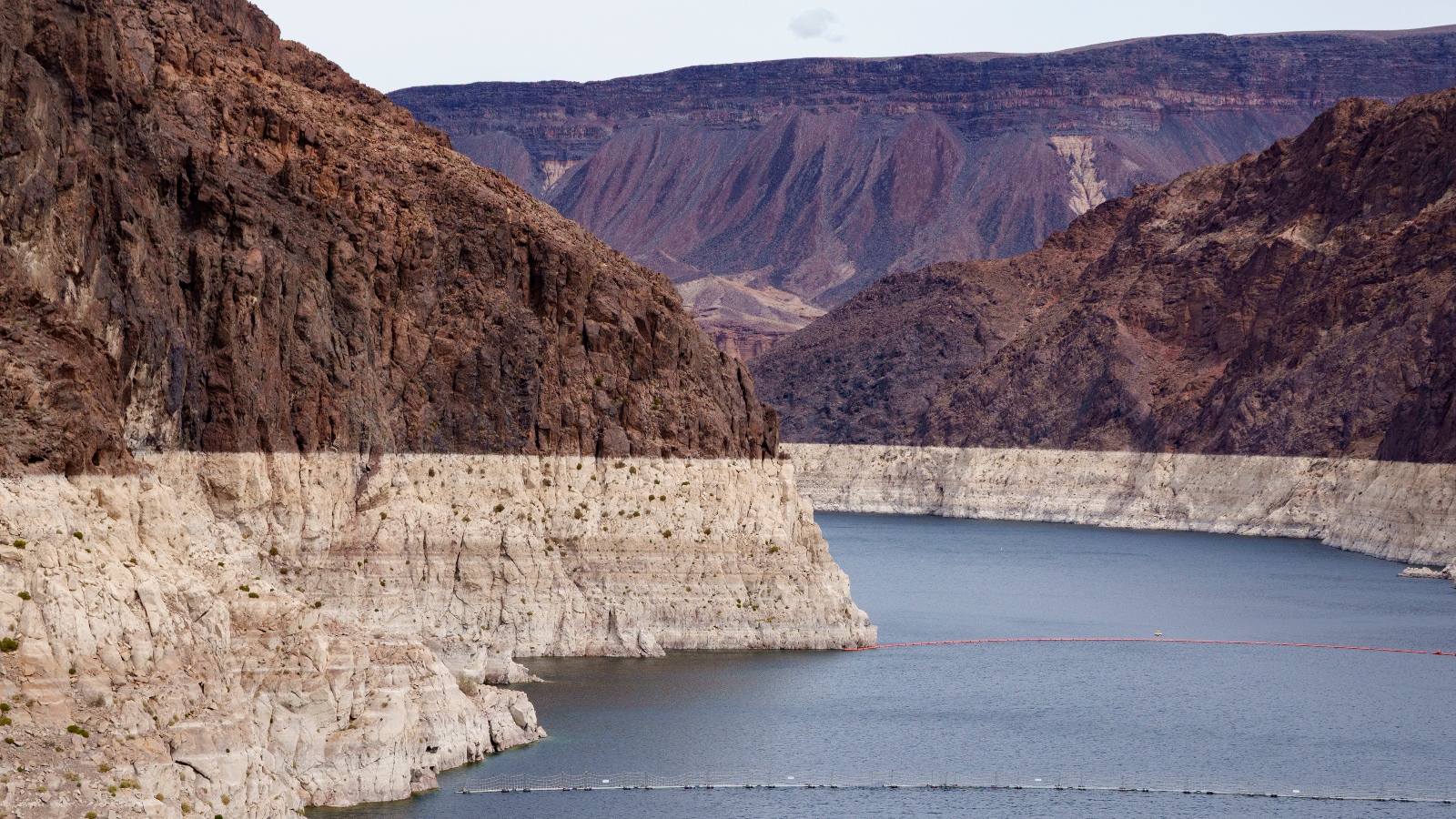
Water shortages across the United States are reaching a critical juncture this summer, with two major regional crises emerging simultaneously. Corpus Christi, Texas faces an acute drinking water emergency, while the Colorado River system confronts a long-term depletion crisis that affects 40 million people across seven states and Mexico.
The Colorado River has operated under chronic stress for two decades. Lake Mead and Lake Powell, the system's two largest reservoirs, have dropped to historically low levels. Since 2000, the river has delivered less water than the 1922 Colorado River Compact allocated, creating an annual deficit. Climate scientists attribute much of this shortfall to warming temperatures reducing snowpack in the Rocky Mountains, which feeds the river. A 2022 study found that climate change accounts for roughly half of the river's flow decline over the past two decades.
In Corpus Christi, Texas is grappling with contamination and supply constraints simultaneously. The coastal city depends on the Nueces River and local aquifers, both strained by drought and population growth. Municipal officials have implemented water-use restrictions and launched emergency conservation measures.
The underlying pressure stems from competing demands. Agriculture consumes roughly 80 percent of Colorado River water, while cities and hydroelectric plants compete for the remainder. Interstate agreements dating to the 1920s assume water availability that no longer exists, leaving state water managers with diminishing options for negotiation.
Federal agencies including the U.S. Bureau of Reclamation have ordered water cuts across the system. In 2023, the bureau reduced allocations to Arizona, Nevada, and California. These cuts signal that crisis management, rather than stability, now defines water governance in the West.
Summer historically marks peak water demand for irrigation and urban cooling. With reservoirs at roughly 27 percent capacity on average, demand will collide with supply constraints. States have