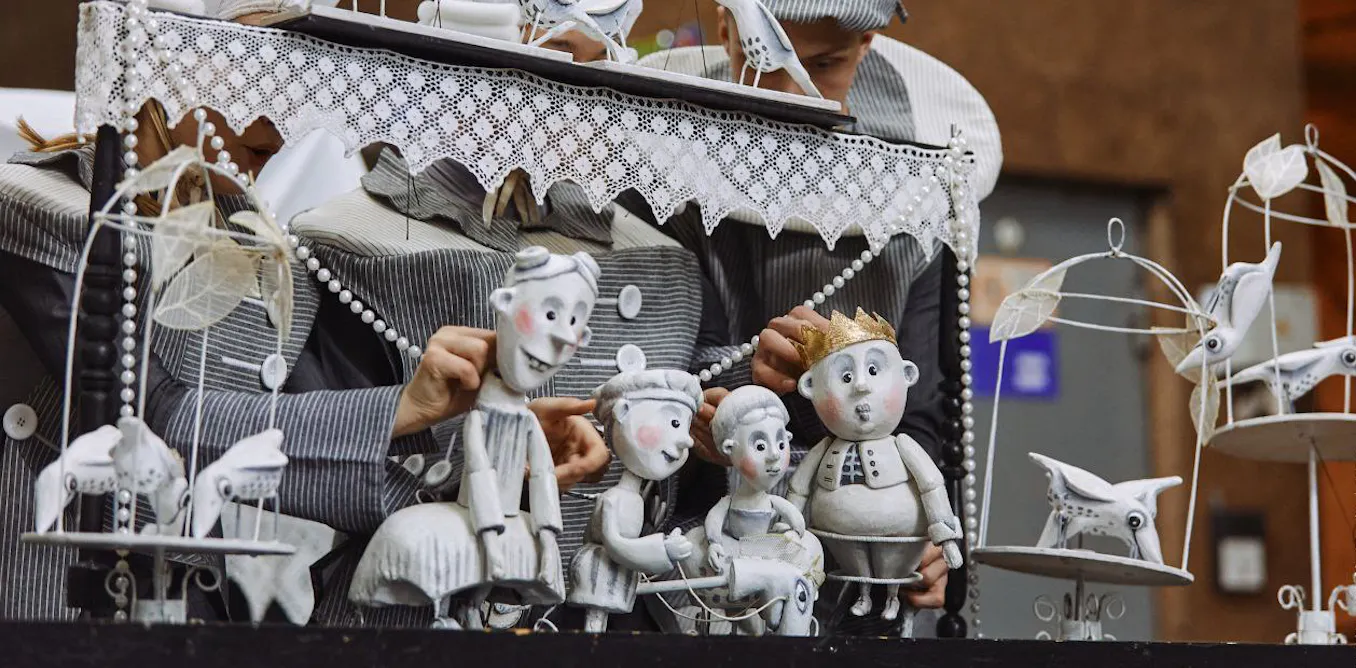
Puppet shows have emerged as unexpected instruments of psychological resilience in Ukraine's bomb shelters. As Russian attacks force civilians into underground spaces for extended periods, theatrical performances provide mental escape and emotional stability for adults and children alike.
The performances address a documented gap in wartime mental health support. Prolonged shelter confinement creates acute psychological stress, particularly among children experiencing repeated trauma exposure. Puppet theater reduces anxiety through narrative distraction and the restoration of normalcy in abnormal conditions. Performers work with limited resources, adapting scripts and constructing puppets from available materials.
These shows operate within a broader framework of cultural resistance. Ukraine's government and civil society organizations recognize arts programming as essential infrastructure during armed conflict, not luxury. The United Nations acknowledges cultural continuity as a protective factor in displacement situations, helping communities maintain identity and social cohesion under extreme stress.
Shelter-based performances also serve structural functions. They establish routine in spaces where time becomes disorienting. Scheduled shows create gathering points that strengthen community bonds among strangers forced together by proximity. For children, participation in theatrical activities provides agency in situations where they control almost nothing.
The puppet shows reflect Ukraine's longer tradition of using performance arts in civil resistance. Theater has historically conveyed political messaging and sustained morale during occupation. Current performances continue this lineage while addressing immediate humanitarian needs.
This approach diverges from conventional disaster response models that prioritize material aid alone. Psychological first aid through cultural programming addresses the invisible injuries of war. Mental health interventions integrated into daily shelter life prove more sustainable than isolated clinical treatments, particularly when professional mental health services remain severely stretched.
Documentation of these programs remains limited, and access varies across conflict zones. Performers report challenges obtaining materials and safe travel between shelters. Yet the consistency with which civilians describe puppet shows as emotionally sustaining suggests their therapeutic value extends beyond anecdotal observation. These performances demonstrate how communities innovate to preserve