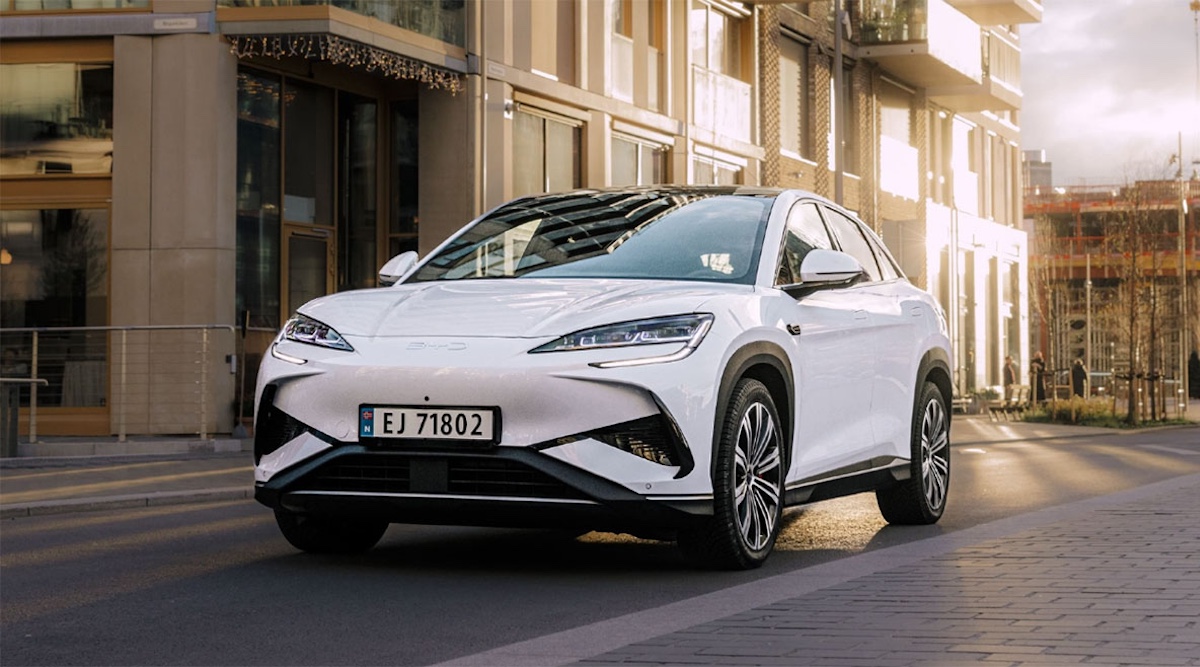
Electric vehicle sales across Nordic countries hit record levels in April, driven by sustained demand in Norway and Denmark, which lead the region's EV adoption rates. Sweden and Finland also contributed to the surge, reflecting broader momentum in Northern Europe's transition away from fossil fuel vehicles.
Norway continues its dominance in the EV market, maintaining its position as the world's leading country for electric vehicle penetration by market share. Denmark follows closely, with both nations benefiting from aggressive government incentives, robust charging infrastructure, and high electricity costs that make EVs economically competitive with combustion engines.
The April record underscores the acceleration of electrification across the Nordic region. Sweden's automotive market has shifted substantially toward battery electric vehicles in recent years, while Finland, traditionally lagging its neighbors, now demonstrates accelerating adoption rates. Together, the four Nordic countries represent a concentration of EV growth that outpaces most other European markets.
This surge reflects policy frameworks that have prioritized zero-emission vehicle adoption through purchase subsidies, tax exemptions, and investment in charging networks. Norway's approach, combining generous buyer incentives with strict emissions regulations on new vehicles, established the template other Nordic nations have adapted.
The timing matters for global climate targets. Nordic EV records emerge as the European Union tightens emissions standards on new cars and the broader transport sector faces pressure to decarbonize. Transport accounts for roughly one-quarter of EU greenhouse gas emissions, making vehicle electrification essential to meeting climate commitments.
Battery supply chains remain constrained globally, yet Nordic demand persists. Supply chains concentrated in Europe and Asia compete for market share as EV adoption accelerates across the continent. Nordic countries, with access to renewable electricity from hydropower and wind, position themselves advantageously for EV expansion, since charging predominantly renewable energy sources maximizes emissions reductions per vehicle.
The April record reflects not temporary purchasing behavior but structural market shift in the region