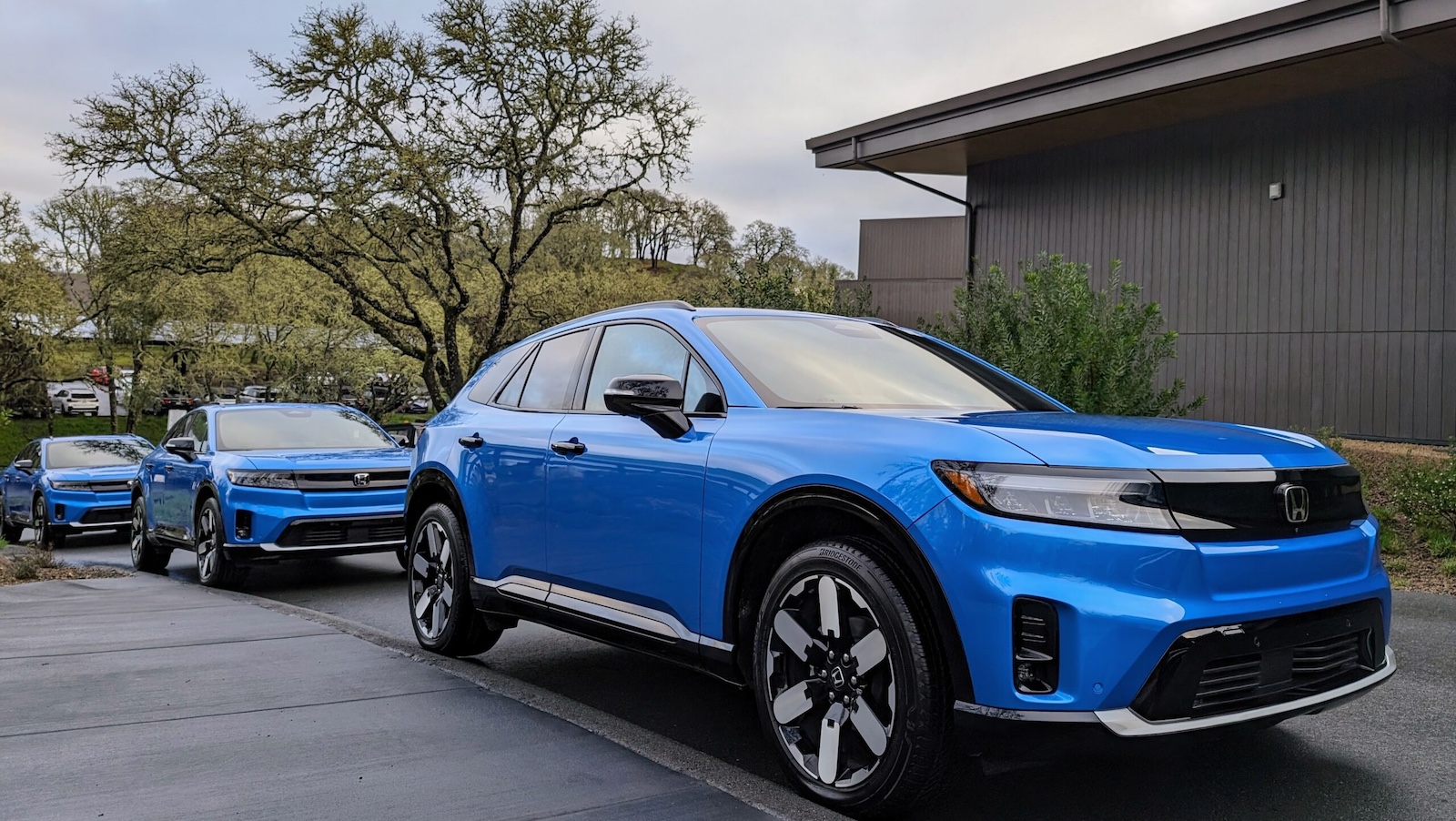
Honda reported a $2.7 billion loss, its largest in recent history, as the automaker struggles with "EV whiplash" in the United States market. The Japanese manufacturer faces unprecedented financial pressure tied to its electric vehicle strategy and execution in America, its most important revenue source.
The crisis reflects broader turbulence across the auto industry as traditional carmakers navigate the transition to electrification. Honda's specific challenges center on marketing and consumer adoption of its EV lineup in a competitive U.S. market increasingly crowded with both legacy automakers and newer EV-focused competitors.
The timing compounds Honda's difficulties. American consumers remain cautious about battery electric vehicles despite growth in overall EV sales. Supply chain constraints, manufacturing costs, and pricing pressures have pinched margins across the sector. Honda's inability to effectively position its electric vehicles against rivals like Tesla, Ford, and General Motors underscores a deeper problem. Legacy automakers invested heavily in EV platforms but underestimated demand volatility and overestimated their own brand loyalty among EV buyers.
The company's recovery faces steep headwinds. Honda must redesign its EV marketing strategy, improve vehicle availability, and reduce production costs to restore profitability. Industry analysts note the automaker cannot easily reverse course given the capital commitments already made to electrification. Walking back EV investments would signal weakness to investors and customers alike.
Honda's crisis illustrates a critical gap between automaker expectations and market reality. Consumer preferences shift faster than manufacturing timelines allow. Legacy automakers designed their EV transitions around assumptions that no longer hold. The company now confronts a painful choice: accelerate electrification efforts despite near-term losses or scale back EV production and risk ceding market share permanently.
For the broader auto sector, Honda's situation serves as a cautionary tale. Successful EV transitions require not just capital investment and manufacturing