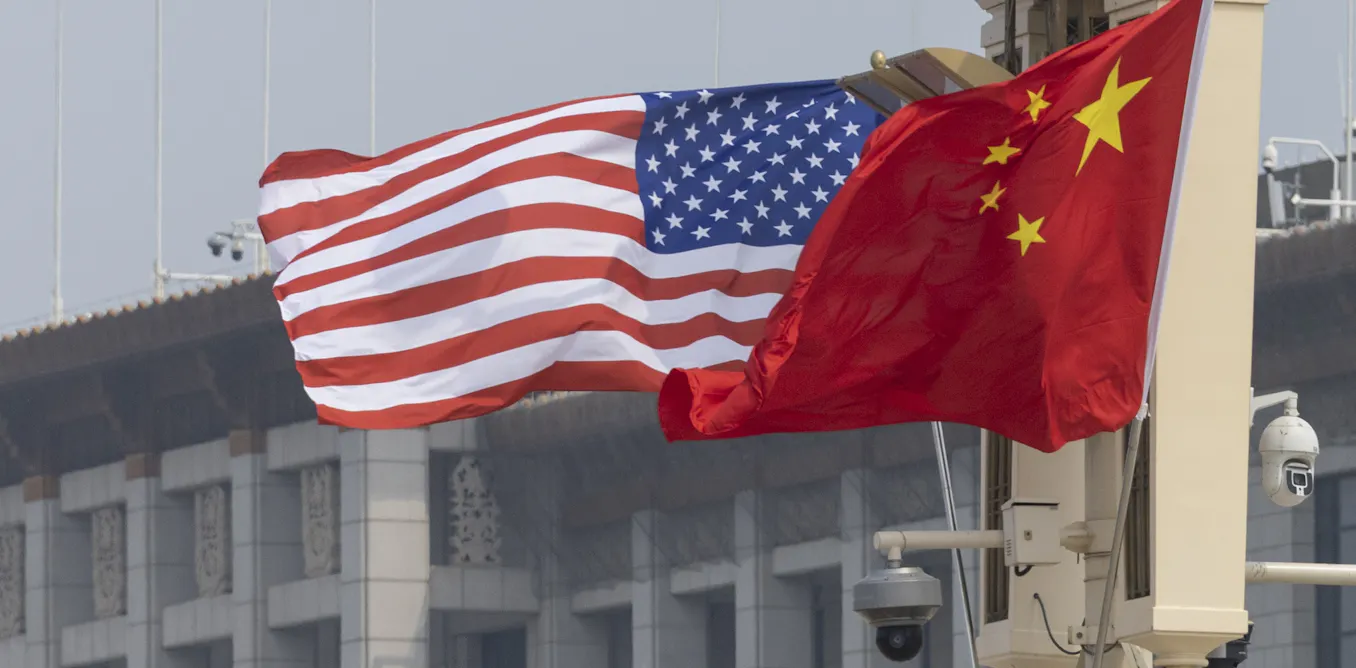
Trump departed Beijing without securing major trade concessions or climate agreements, yet the absence of escalation between the U.S. and China constitutes a meaningful outcome given current geopolitical tensions.
The summit produced minimal concrete results. No new bilateral deals emerged. Climate commitments remained unannounced. Trade discussions yielded no immediate breakthroughs on tariffs or market access. The two nations nonetheless avoided the public confrontations that have characterized recent years, with both leaders committing to continued dialogue on unresolved disputes.
This restraint matters for global emissions policy. China produces roughly 30 percent of worldwide greenhouse gas emissions annually. The United States generates about 11 percent. Joint U.S.-China climate cooperation proved instrumental in the 2015 Paris Agreement framework. Without ongoing diplomatic channels, coordinated emissions reductions become harder to negotiate.
The meeting signaled that despite trade tensions and strategic competition, both governments recognize the necessity of maintaining communication. Trump and Xi agreed to establish working groups focused on bilateral issues, though specifics remained vague. Neither leader publicly criticized the other's climate record or made demands for emissions cuts.
Observers noted the contrast with previous Trump administration approaches, when climate accords faced withdrawal threats and environmental regulations faced rollbacks. The current posture suggests an acknowledgment that total confrontation serves neither nation's interests.
The economic stakes reinforce diplomatic necessity. U.S.-China trade relationships affect global supply chains, energy markets, and technology development. Tariff escalation would ripple through renewable energy manufacturing, where China supplies critical components for solar panels and battery production. Stability in bilateral relations supports the transition away from fossil fuels, even absent explicit climate pledges.
Experts cautioned against interpreting the summit as a breakthrough. Fundamental disagreements on trade, technology, and geopolitical influence persist. Yet avoiding escalation preserves the possibility of future agreements on emissions reductions and environmental