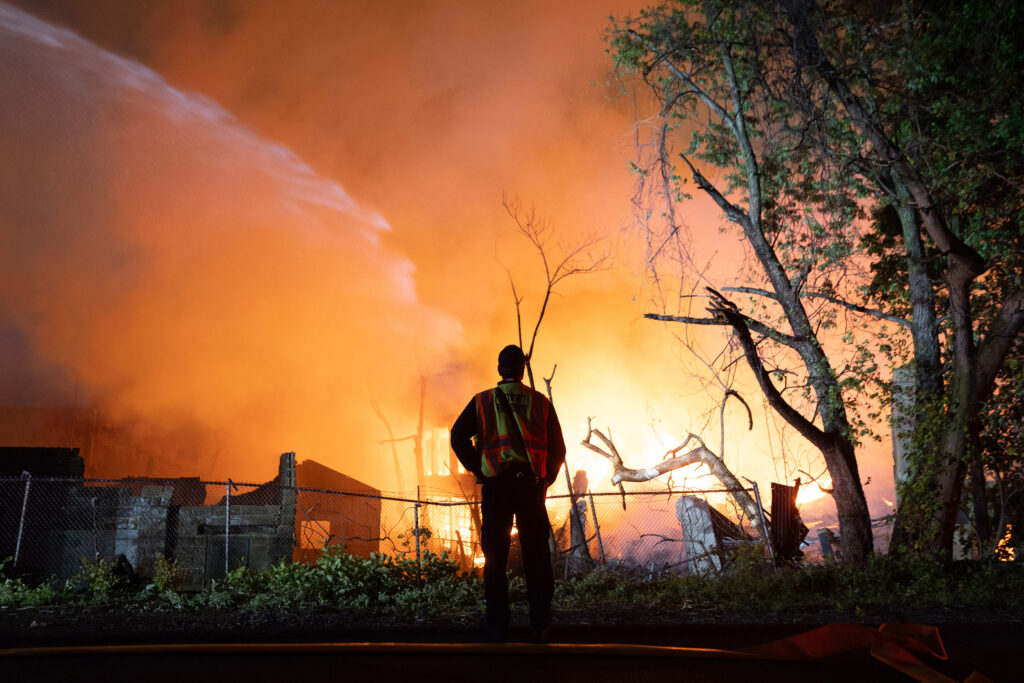
New Jersey's wildfire season is arriving with heightened risk after a snowy winter delayed vegetation management across the state. The New Jersey Forest Fire Service this month issued an elevated fire spread warning for Delaware and parts of New Jersey as atmospheric conditions aligned dangerously. Humidity levels dropped while temperatures climbed into the 80s, and southwest winds gusted up to 30 miles per hour, creating conditions that accelerate fire propagation.
Winter snow postponed preventive burns and mechanical clearing work that typically reduce fuel loads before spring. Without these interventions completed on schedule, accumulated dead vegetation and brush now blanket the landscape as temperatures warm. The combination of dried plant matter and aggressive weather patterns intensifies fire behavior across the region.
The Forest Fire Service's statement identified the specific meteorological triggers driving current risk. Wind speeds approaching 30 miles per hour carry embers across fire lines, while low humidity allows flames to spread rapidly through standing and fallen timber. Spring conditions in the Mid-Atlantic frequently produce this dangerous mix, but delayed prevention work amplifies consequences.
New Jersey experiences seasonal wildfire peaks during spring months when winter precipitation ends but summer rains have not yet arrived. The state typically conducts prescribed burns and vegetation removal during winter and early spring to reduce fuel availability. Extended snow cover this year compressed the window for these activities, leaving property and ecosystems more vulnerable as fire season advances.
Climate patterns are extending fire seasons across the eastern United States. Rising temperatures increase evaporation rates in forests, lowering fuel moisture content and accelerating ignition potential. Delayed prevention work compounds these trends, creating conditions where even routine ignition sources spark significant fires.
The Forest Fire Service's elevation of risk status signals preparation for potential incidents. Emergency responders increase staffing and position equipment in high-risk zones. Residents in affected areas are advised to clear debris from roofs and gutters, trim branches near structures, and maintain defensible space around