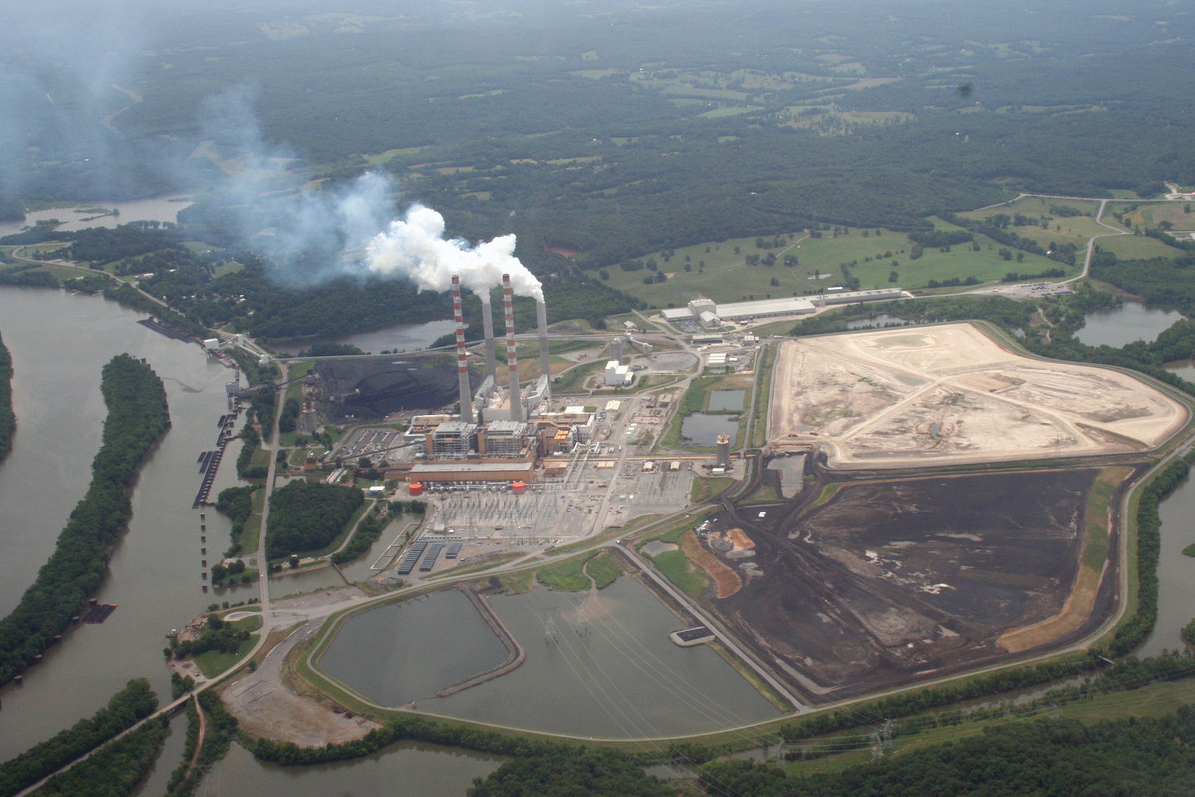
The Tennessee Valley Authority distributed a 35-page booklet at a public meeting titled "Know the Facts: Coal Ash" that coal ash researchers describe as containing "lies" and misleading claims about the environmental and health risks of coal ash storage.
The booklet carried no TVA branding or author attribution, though the Southern Alliance for Clean Energy confirmed TVA employees created it. Researchers specializing in coal ash contamination flagged the material for downplaying established health hazards and environmental impacts associated with coal ash disposal.
Coal ash, the residue left after coal combustion at power plants, contains toxic heavy metals including arsenic, mercury, and lead. When stored improperly in surface impoundments and landfills, these contaminants leach into groundwater and soil, threatening drinking water supplies and human health. The Environmental Protection Agency regulates coal ash under the Resource Conservation and Recovery Act, classifying it as a solid waste with specific disposal standards.
TVA operates numerous coal-fired power plants across the Southeast, managing vast quantities of coal ash at multiple sites. The agency's unattributed booklet represents a departure from transparent public communication on a documented environmental health issue. Researchers emphasized that peer-reviewed studies consistently document coal ash contamination risks, making the booklet's claims of safety inconsistent with established science.
The incident highlights tensions between utilities managing legacy coal infrastructure and regulators, scientists, and communities concerned about long-term contamination exposure. TVA's decision to distribute material without institutional attribution while contradicting scientific consensus raises questions about accountability and public information practices at major federal power authorities.
The agency has not publicly responded to researchers' characterizations of the booklet's content. Environmental advocates argue that communities living near coal ash disposal sites deserve accurate risk information to make informed decisions about their health and property values.