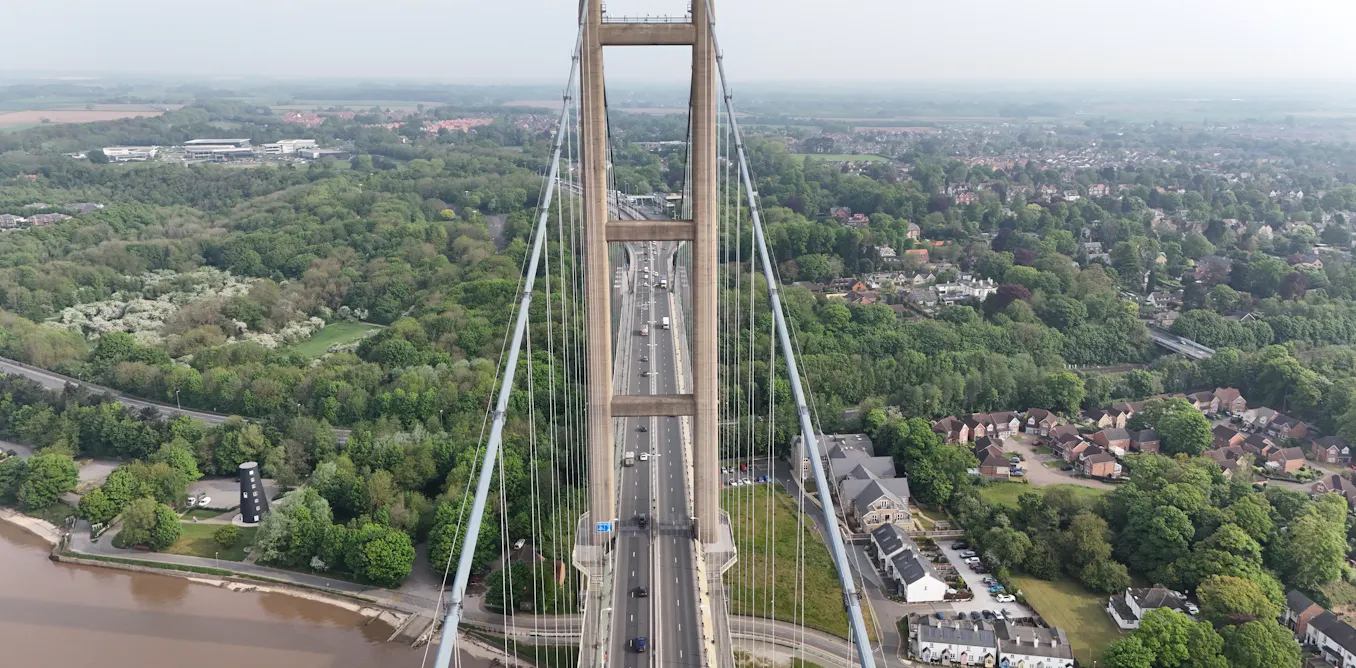
The Humber estuary region in England holds distinct advantages for scaling direct air capture (DAC) technology, according to analysis of the area's industrial infrastructure and energy capacity.
The region's concentration of renewable energy generation creates conditions to power energy-intensive carbon removal operations. Direct air capture machines extract CO₂ directly from the atmosphere, then compress and store it. These processes demand substantial electricity. The Humber's existing wind farms and planned renewable capacity offer a fossil-free power source essential for the technology to deliver genuine emissions reductions rather than simply shifting carbon burdens elsewhere.
Beyond energy supply, the Humber's industrial heritage positions it as a logical site for DAC deployment. The region hosts existing carbon capture infrastructure from oil refining and chemical production. Pipelines and storage facilities in depleted North Sea oil and gas fields provide ready-made networks for transporting and permanently sequestering captured CO₂. This existing pipeline density reduces capital costs and development timelines compared to establishing DAC operations in regions lacking such infrastructure.
The region's cities, including Hull, Grimsby, and Scunthorpe, cluster around these industrial assets. Locating DAC facilities in proximity to established urban centers enables workforce development and supply chain integration with existing manufacturing sectors.
The Humber currently generates approximately 15 percent of England's renewable electricity through offshore and onshore wind installations. Planners project this capacity could expand to supply hundreds of megawatts to carbon removal operations while maintaining supply to industrial users and residential areas.
However, scaling DAC deployment faces hurdles beyond infrastructure. The technology remains expensive. Operating costs for direct air capture currently range from $200 to $600 per ton of CO₂ removed, though projections suggest costs could fall with increased deployment. Public investment and carbon pricing mechanisms will determine whether the Humber becomes a pilot site for commercial DAC or remains primarily a hydrogen production