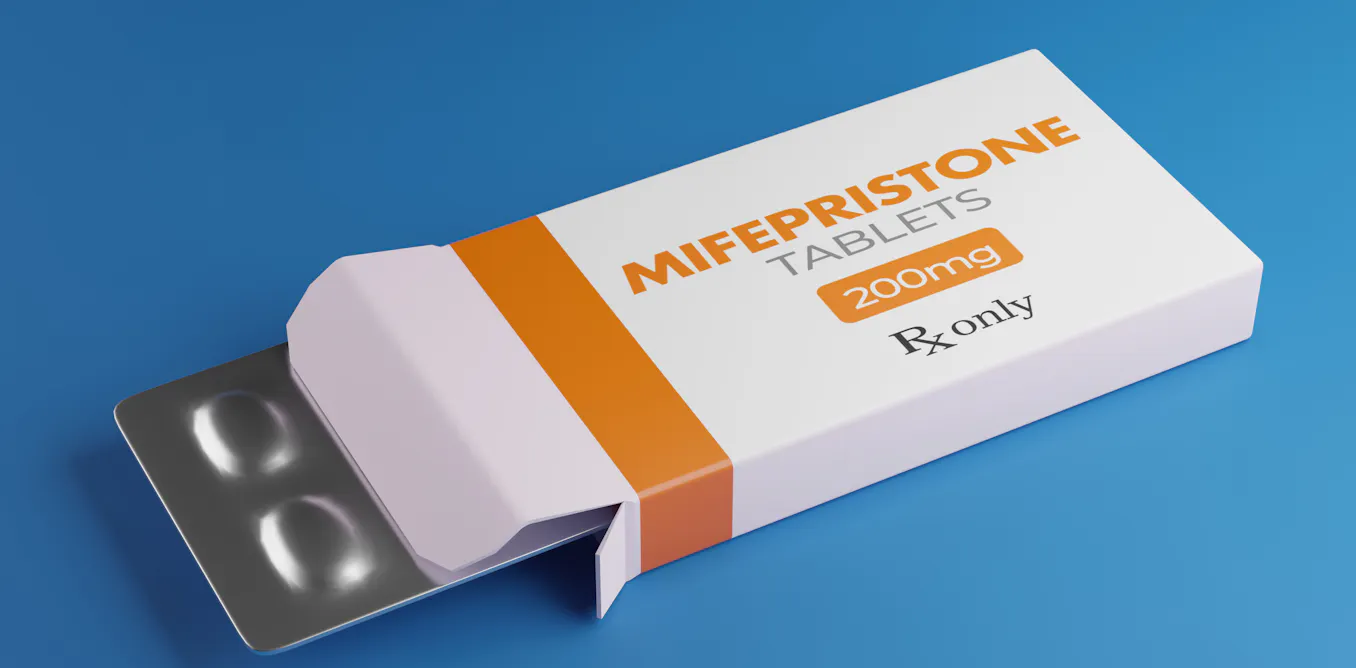
The Supreme Court returned the mifepristone case to a lower federal court on procedural grounds, leaving the abortion pill's telehealth access in legal limbo. The justices declined to rule on the underlying merits, instead vacating a Fifth Circuit decision that had narrowed access to the medication.
The Fifth Circuit had previously restricted how mifepristone could be distributed, imposing stricter rules than the FDA's own regulations. That panel ruling would have limited telehealth prescriptions and mail delivery of the drug, which the FDA approved for remote dispensing in 2023 through its Risk Evaluation and Mitigation Strategy program.
The Supreme Court's procedural move preserves current access temporarily. Patients can still obtain mifepristone through telehealth and mail services under existing FDA guidelines. However, the lower court that receives the case has already indicated it intends to renew its legal challenge to mifepristone's mailed distribution.
This outcome reflects the Court's reluctance to make a definitive ruling on abortion access post-Dobbs, when it overturned Roe v. Wade in June 2022. Rather than settling the question, the justices essentially punted the dispute back to the trial level, where litigation will continue.
Anti-abortion groups have aggressively pursued legal challenges to mifepristone's availability through telehealth. The Alliance for Hippocratic Medicine and other organizations sued to overturn FDA approval of mail-based dispensing, arguing the agency exceeded its authority. Federal judges sympathetic to their position have repeatedly issued rulings restricting access.
The mailed medication accounts for a growing share of abortions nationwide. Data from reproductive health organizations indicate medication abortion now represents over 60 percent of abortions in the United States. Telehealth access has proven particularly important in states with strict abortion bans, allowing residents