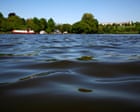
The River Thames in London officially welcomes its first designated bathing area on Friday, marking a watershed moment for urban water quality monitoring in England. Thames at Ham, located in southwest London, becomes one of 13 new swimming zones across the country designated for routine water-quality testing under Environment Agency oversight.
Campaigners secured the designation after documenting that thousands of people swim in the Thames year-round, establishing sufficient public use to warrant official recognition. The designation brings the Thames into England's bathing water monitoring framework, which requires regular testing for bacterial contamination, algal blooms, and other hazards that threaten human health.
The Thames carries historical stigma as a sewage-contaminated waterway. Combined sewer overflows dump untreated sewage into the river during heavy rainfall, a persistent problem that has blocked swimming access for decades. The new bathing designation creates legal obligations for water quality assessment and reporting under the Bathing Waters Regulations, which implement EU standards now retained in UK law.
Thames Water and the Environment Agency must now conduct regular sampling at Ham and publish results on a publicly accessible database. Water failing to meet "excellent" or "good" standards triggers mandatory mitigation measures, including infrastructure upgrades to reduce overflow events.
The 13 new sites include Canvey Island foreshore in Essex and East Beach at West Bay in Dorset, reflecting broader pressure on local authorities to recognize informal swimming culture. Urban rivers and coastal areas with growing recreational use face mounting scrutiny over sewage infrastructure capacity.
Designation does not guarantee safe swimming conditions but establishes transparency and accountability. Thames Water faces £3 billion in outstanding water quality commitments through 2025, though environmental groups argue funding remains inadequate for the scale of infrastructure overhaul needed. The Ham bathing area opening depends on continued advocacy and investment to reduce overflow discharges that threaten public health and aquatic ecosystems