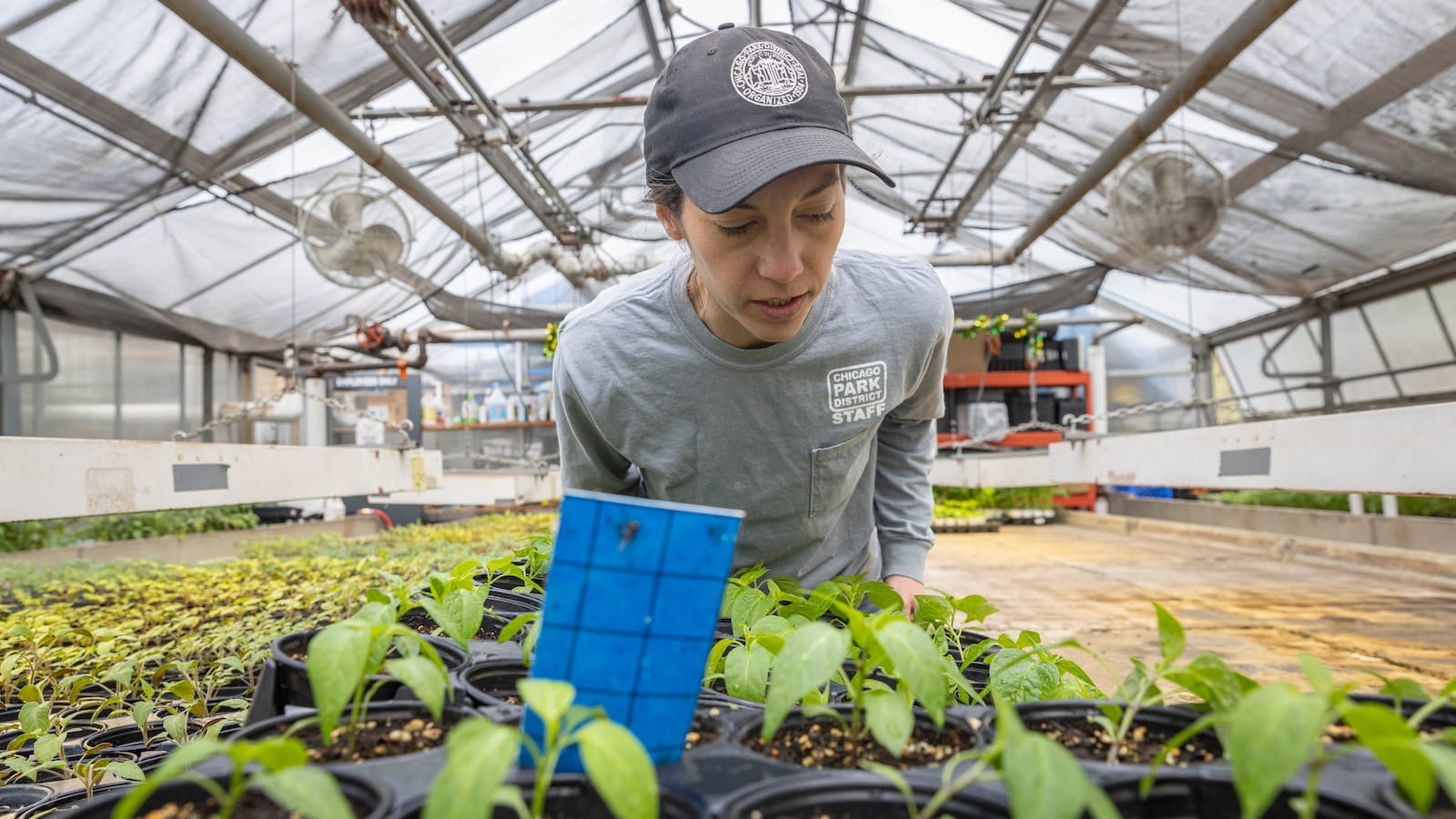
Demand for native plants surged across U.S. nurseries as gardeners respond to climate volatility and ecological collapse. Homeowners plant species adapted to local conditions, reducing water consumption while supporting pollinator populations threatened by habitat loss and pesticide use.
Native plants require less irrigation than ornamentals, a critical advantage as drought intensifies in western regions and water scarcity becomes chronic. They establish deeper root systems, improving soil stability during heavy rainfall and reducing flood damage. Nurseries report stock shortages as consumer interest outpaces production capacity.
Ecological benefits extend beyond individual yards. Native plantings create habitat corridors for bees, butterflies, and birds experiencing population declines linked to monoculture landscapes and neonicotinoid exposure. Research from the University of Delaware and other institutions documents how native plant gardens increase pollinator abundance and diversity compared to conventional ornamental beds.
Regional adaptation drives selection. A gardener in Minnesota chooses different species than one in Georgia. Prairie coneflowers, black-eyed Susans, and milkweed dominate northern markets. Southern gardeners select native azaleas, wild bergamot, and blazing star. This localized approach strengthens resilience against shifting precipitation patterns and temperature extremes.
Nursery owners report customers increasingly ask for native alternatives to water-intensive lawns and drought-vulnerable exotic plants. Some states now offer tax incentives for native plantings. California's water agencies promote native landscapes as conservation tools. Texas parks departments distribute native seed packets.
The shift reflects growing recognition that residential landscapes occupy significant acreage. American yards span roughly 40 million acres. Converting even portions to native species would meaningfully expand habitat and reduce water demand in urban and suburban areas already stressed by climate change.
Market analysts expect continued growth as awareness spreads and younger homeowners prioritize environmental impact. Nurseries expand native plant sections