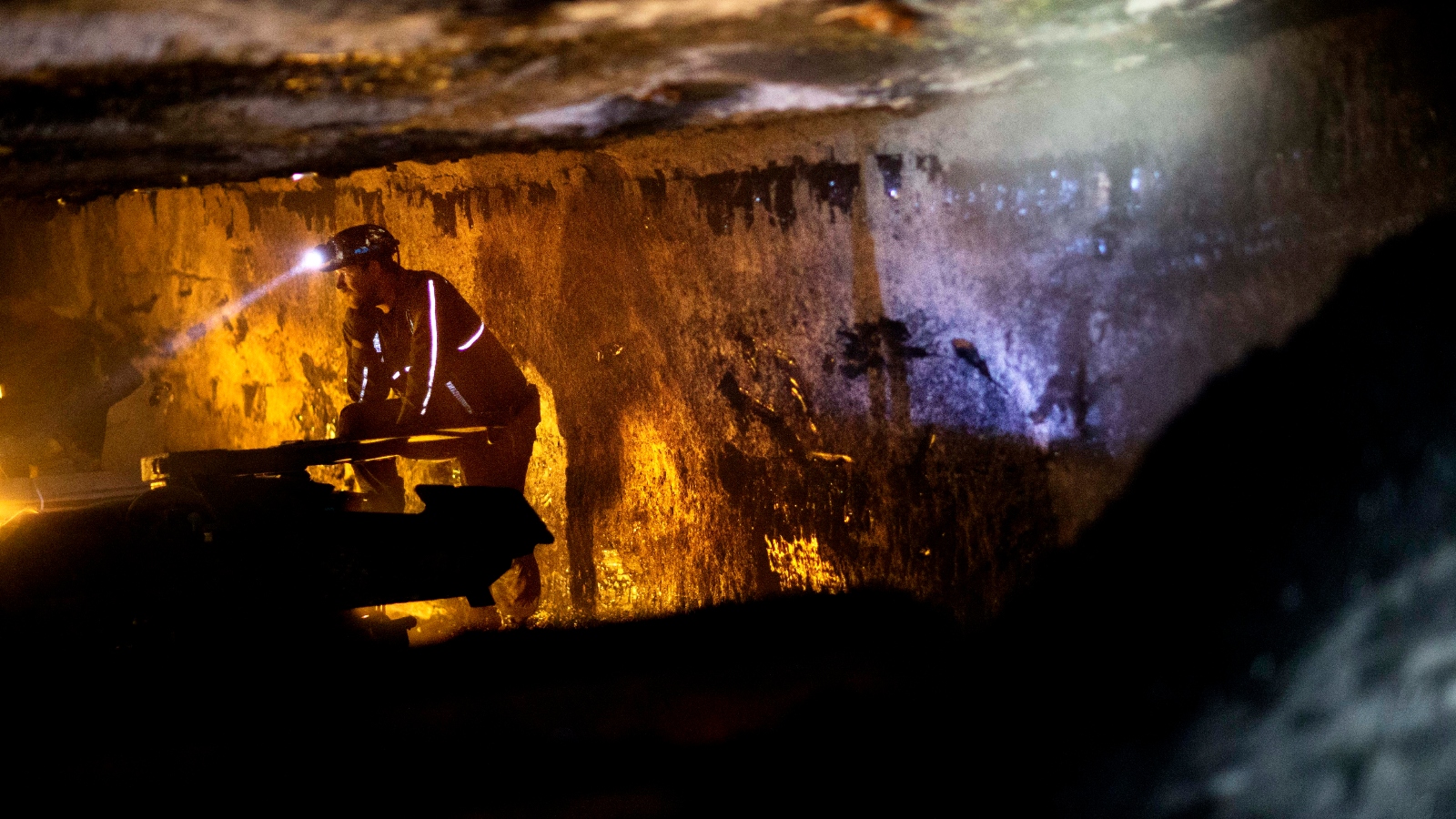
Black lung disease cases among Appalachian coal miners have surged despite decades of workplace safety regulation. The spike coincides with federal delays in implementing stricter dust exposure limits, a gap industry lobbying has widened.
The Trump administration has allocated hundreds of millions in coal subsidies while simultaneously stalling workplace protections. The Mine Safety and Health Administration has delayed finalization of rules that would lower the permissible exposure limit for respirable crystalline silica dust, a primary driver of black lung development.
Miners working underground face cumulative silica exposure over decades. The disease, formally called coal worker's pneumoconiosis, causes progressive lung scarring that restricts breathing and often proves fatal. MSHA had proposed reducing the silica exposure limit from 100 micrograms per cubic meter to 50 micrograms per cubic meter. The tighter standard would align U.S. regulations with international guidelines and reflect current occupational health science.
Coal operators have mounted sustained opposition to the rule change, citing compliance costs. Trade groups have argued that implementation timelines are impractical. This industry resistance has prompted repeated delays in the rulemaking process under multiple administrations.
Epidemiological data documents the human toll. Recent surveys reveal black lung prevalence among coal miners in advanced stages, including younger workers. The disease now affects not just retirees but active miners in their 40s and 50s, suggesting accelerated disease progression in certain mining regions.
Federal law requires MSHA to base workplace standards on the best available science. Occupational health researchers have documented that respirable crystalline silica at current exposure limits causes preventable disease. Yet the regulatory process moves slowly, and industry participation in rule development creates friction points where protective measures face obstruction.
The funding disparity sends mixed signals. While the administration directs resources toward coal production, it simultaneously permits delays in rules designed to protect the workers