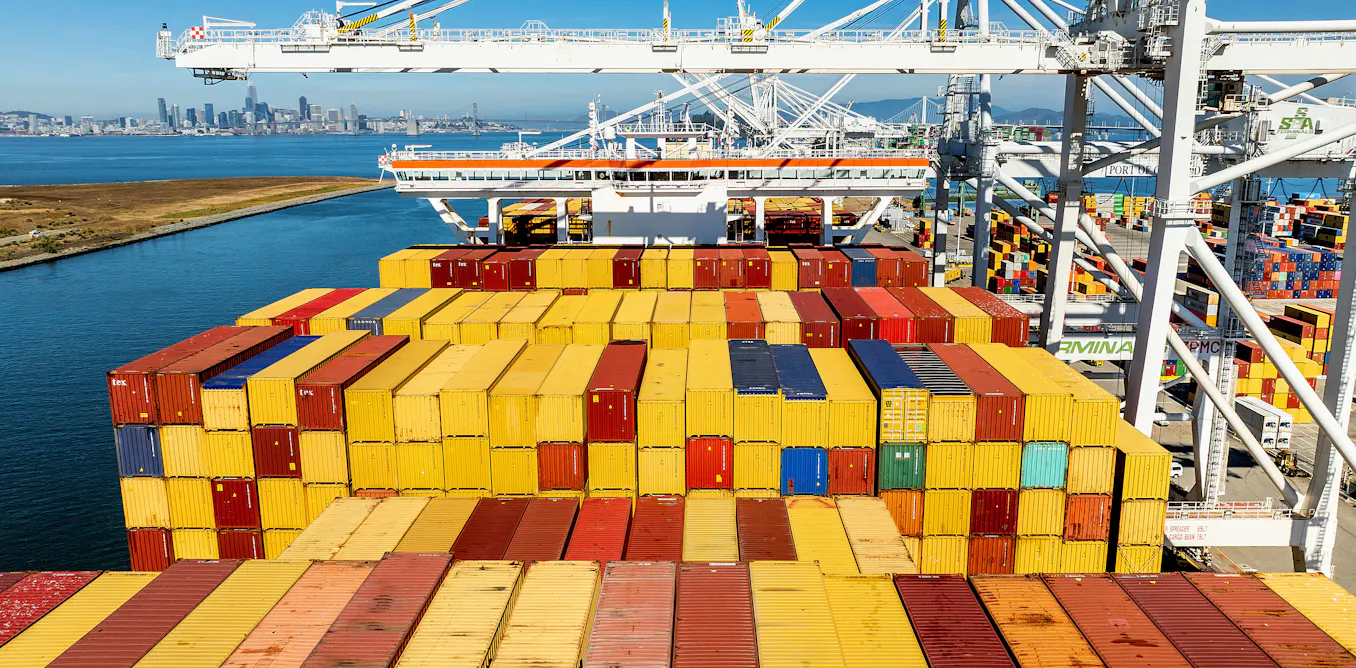
President Trump faces legal barriers in his tariff strategy following Supreme Court defeats but pursues alternative mechanisms to maintain trade restrictions. The administration seeks new pathways to impose levies after courts blocked previous approaches.
Trump's tariff agenda has encountered judicial obstacles that limit executive authority over trade policy. The Supreme Court's decisions restricted his ability to unilaterally impose tariffs without congressional approval in several key instances. Rather than abandon the strategy, the administration explores lesser-known statutory provisions that could achieve similar outcomes.
The administration examines tools like Section 232 and Section 351 of the Trade Expansion Act, which grant the president authority to impose tariffs on national security grounds. These provisions have broader interpretation flexibility than recently blocked mechanisms. Trump previously used Section 232 to justify tariffs on steel and aluminum, framing trade restrictions as national defense measures.
Courts have grown skeptical of expansive national security justifications for tariffs. Recent rulings questioned whether the president can broadly define national security to encompass economic competitiveness. This skepticism creates uncertainty around whether alternative tariff tools will withstand legal challenges.
The administration also considers invoking the International Emergency Economic Powers Act, which permits tariffs during declared national emergencies. This approach faces constitutional questions about whether trade disputes constitute genuine emergencies warranting such measures.
Congressional Republicans remain divided on tariff strategy. Some support protectionist measures while others fear economic consequences. This division limits Trump's legislative options for embedding tariffs through statute rather than executive action.
Business groups and trading partners have signaled opposition to broad tariff increases, citing inflation risks and retaliation threats. The U.S. Chamber of Commerce and agricultural organizations warn that tariff escalation could harm workers and consumers.
Trump's tariff persistence reflects his long-held protectionist philosophy but faces structural constraints. Legal defeats reduce his flexibility to act without judicial review. The administration's search for alternative statutory tools suggests tar