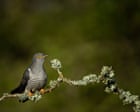
A cuckoo's arrival at Murlough Nature Reserve in County Down signals the start of summer and marks the beginning of one of nature's most deceptive breeding cycles. The bird's return to the reserve, sheltered by white foredunes along the Irish Sea, represents a seasonal milestone that observers have tracked for generations.
Cuckoos practice obligate brood parasitism, laying eggs in the nests of other bird species. Host birds raise cuckoo chicks as their own, often at the expense of their own offspring. The cuckoo chick typically hatches first and ejects host eggs and nestlings from the nest, ensuring it receives all parental care and resources. This reproductive strategy allows adult cuckoos to avoid the energetic costs of building nests, incubating eggs, and raising young.
The bird's arrival at Murlough coincides with peak nesting activity among potential host species at the reserve. Sand martins, whitethroats, and meadow pipits occupy different habitats within the reserve's heather and scrub ecosystem. Each species has evolved some resistance to parasitism through egg recognition and rejection behaviors, yet cuckoos continue to succeed through mimicry and timing.
Cuckoo populations across Europe have declined sharply over recent decades. UK breeding populations fell by roughly 65 percent between 1994 and 2014, according to the British Trust for Ornithology. Loss of suitable host bird populations, changes in insect abundance that affect food availability, and alterations to breeding habitat contribute to this decline.
The cuckoo's arrival at Murlough occurs against a backdrop of environmental stress. Nearby Mourne mountains show signs of recent wildfires, indicating pressures from warming temperatures and altered fire regimes. These broader ecological disruptions threaten the delicate timing and habitat conditions that cuckoos and their hosts depend