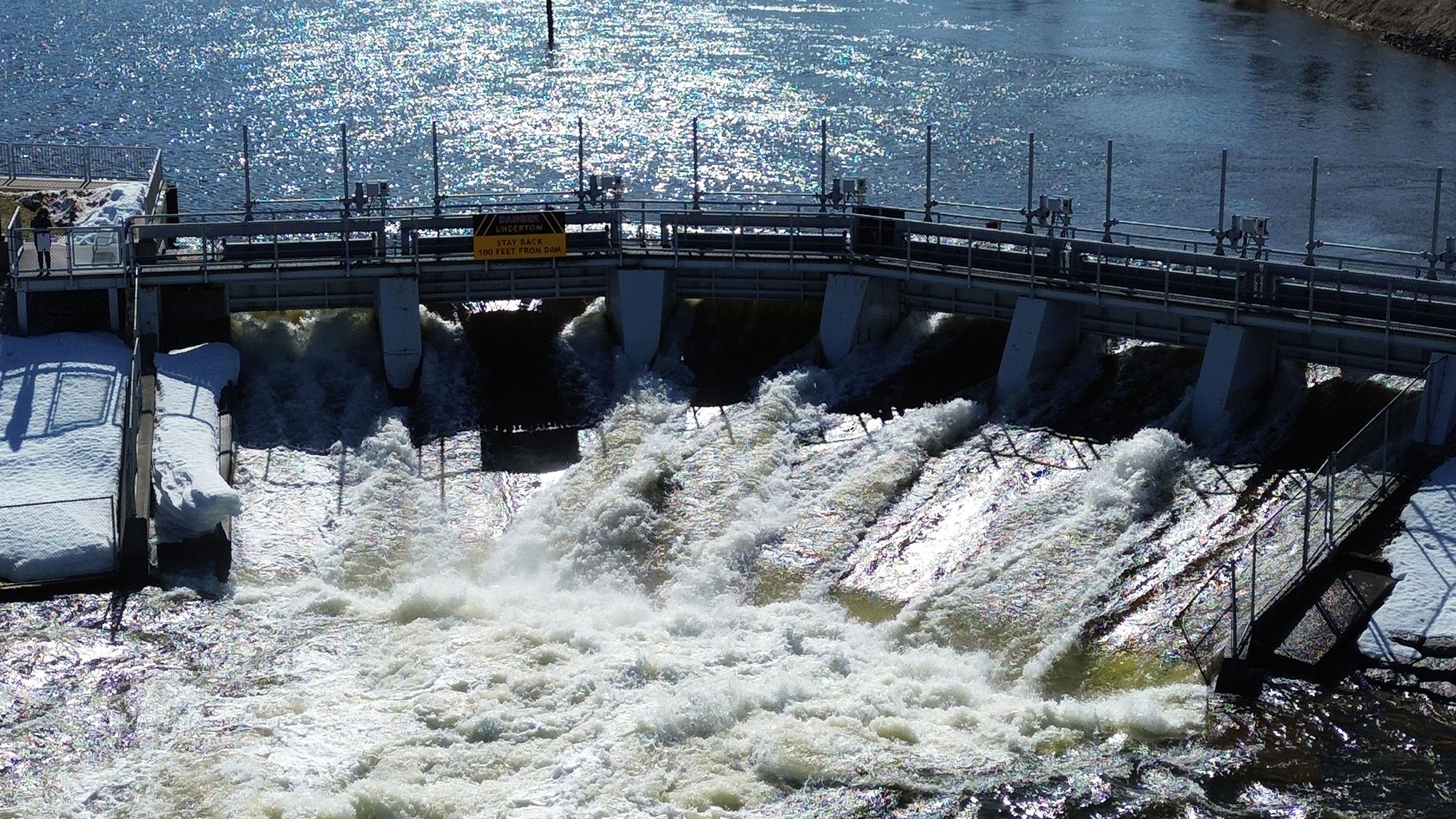
Michigan's dam infrastructure nearly failed during record flooding in 2024, exposing dangerous vulnerabilities in how America manages water systems in an era of climate change. The state's dams operated at crisis levels as precipitation and snowmelt exceeded design specifications built decades ago, when engineers based capacity calculations on historical climate patterns.
The Edenville Dam in Midland County came closest to catastrophic failure. Officials opened spillways to maximum capacity while water levels approached the crest, risking uncontrolled overflow. Had the dam failed, flooding would have swept downstream through populated areas and critical industrial zones. Engineers attributed the near-miss directly to precipitation volumes that exceeded the infrastructure's design storm thresholds.
This pattern extends beyond Michigan. The Army Corps of Engineers estimates that approximately 15,000 of the nation's 90,000 dams face potential failure during extreme weather events. Climate science shows that warming temperatures intensify the hydrological cycle, producing heavier rainfall events and earlier spring snowmelt in northern regions. Precipitation records across the Midwest have reflected this shift consistently over the past two decades.
Aging dams present the core problem. Most American dams were constructed between 1950 and 1980, when design standards relied on 50 or 100-year historical records. Current climate conditions already exceed those statistical baselines. The Federal Emergency Management Agency classifies over 2,000 dams as "high hazard potential," meaning failure would result in loss of life.
Retrofitting existing dams costs far more than building to updated standards, yet funding remains constrained. The Biden administration's 2024 budget proposed $100 million for dam safety improvements, but experts estimate the national need at $60 billion. State agencies lack resources for comprehensive upgrades to spillways, structural reinforcement, or operational protocols designed for unprecedented water volumes.
Michigan's near-catastrophe serves