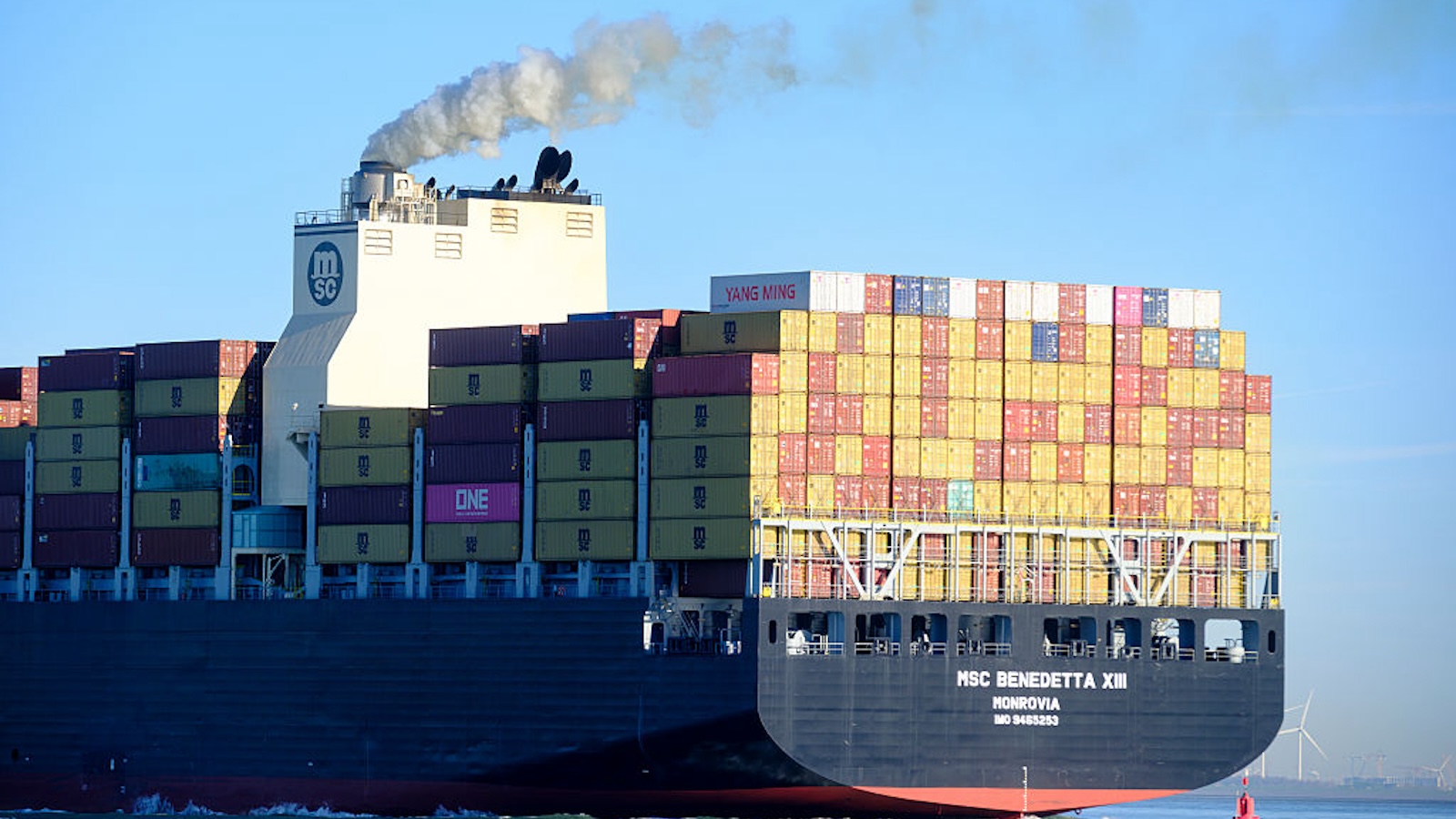
The Trump administration has launched an aggressive campaign to block a carbon tax on international shipping, deploying threats of visa restrictions, tariffs, and port fee increases against supporting nations. Despite these pressures, a narrow majority of U.N. member states continues backing the measure.
The International Maritime Organization adopted a carbon pricing mechanism in 2023 that would apply fees to ships crossing international waters. Starting in 2025, the system charges operators based on fuel carbon intensity, with revenues funding climate adaptation in vulnerable nations. The U.S. opposes the tax, arguing it constitutes an unfair burden on American shipping companies and consumers.
U.S. officials have warned countries supporting the system face economic consequences. The administration threatened higher tariffs on imports, visa restrictions for diplomats, and increased port fees for vessels from nations endorsing the mechanism. These warnings targeted key maritime nations including Panama, Liberia, and Marshall Islands, which collectively register roughly half the world's commercial shipping fleet.
The pushback reflects broader Trump administration opposition to international climate commitments. The U.S. exited the Paris Agreement in 2020 and has signaled intent to withdraw again if Trump wins the 2024 election.
Despite American pressure, approximately 60 percent of U.N. nations support maintaining the carbon tax. Maritime industry groups remain divided. Some shipping companies view the tax as reasonable climate action; others argue it raises costs that consumers ultimately absorb. Small island nations and least developed countries back the mechanism, seeing it as necessary funding for climate resilience.
The IMO carbon tax addresses a genuine gap in global climate policy. International shipping generates roughly 3 percent of global greenhouse gas emissions but historically escaped binding climate regulations because ships operate across borders. The pricing system incentivizes fuel efficiency improvements and funds adaptation projects in climate-vulnerable regions.
The outcome remains uncertain. The IMO operates by consensus among member states, giving blocking coal