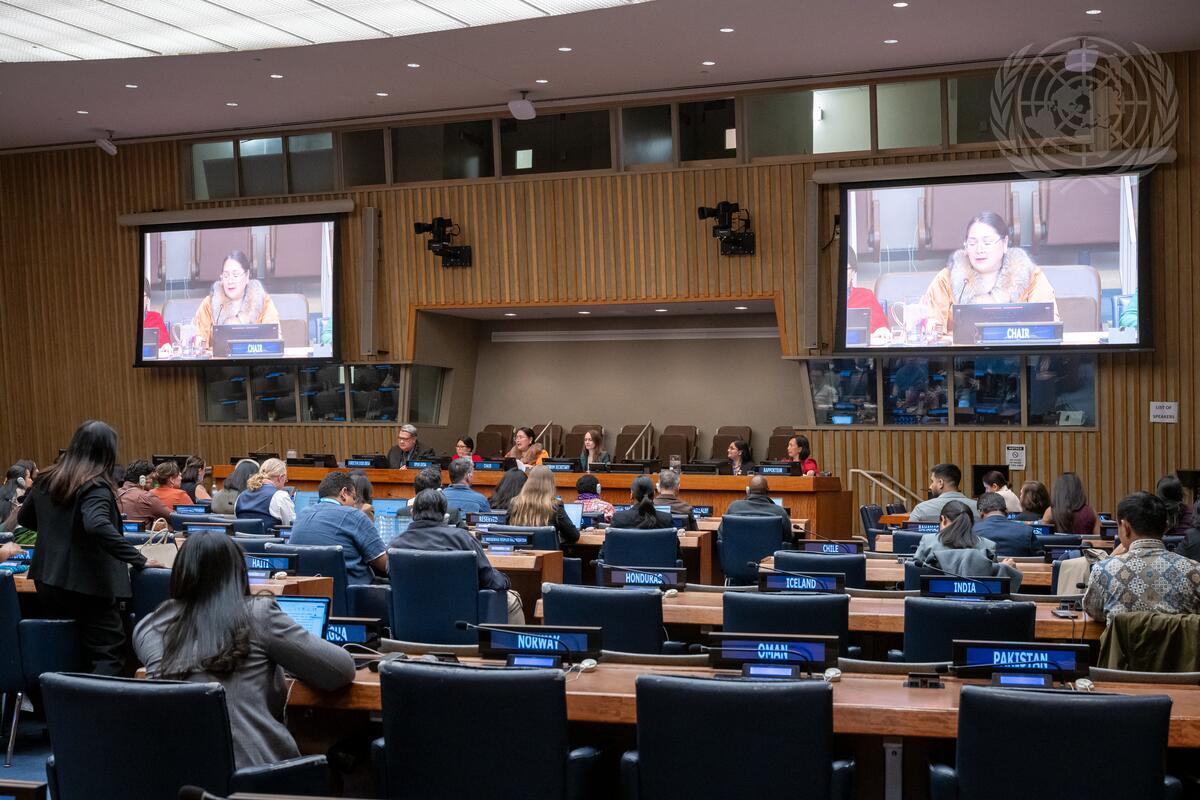
The UN Permanent Forum on Indigenous Issues confronts an uncertain future as budget pressures threaten the institution that serves as the United Nations' primary platform for Indigenous voices on environmental and rights matters.
The forum, established in 2000, operates as an advisory body to the UN Economic and Social Council and has historically shaped global Indigenous policy. It convenes Indigenous representatives, government delegates, and UN agencies annually to address land rights, environmental protection, and cultural preservation. The body lacks enforcement power but influences UN policy direction and high-level visibility for Indigenous concerns.
A broader financial crisis at the UN now jeopardizes the forum's continuity. The organization faces a liquidity shortage, with member states withholding payments on assessed contributions. This budget shortfall forces difficult choices about which UN bodies receive funding and which face elimination or restructuring.
The timing creates particular vulnerability. Indigenous communities worldwide face accelerating threats from land dispossession, resource extraction, and climate change. Research increasingly documents how Indigenous land management reduces deforestation and protects biodiversity at rates superior to other conservation models. Indigenous territories cover 22 percent of Earth's land surface yet hold 80 percent of remaining biodiversity, according to conservation data.
Effectiveness questions compound budget concerns. Critics argue the forum's advisory status limits real-world impact. Decisions made during annual sessions often lack binding mechanisms, allowing governments to ignore recommendations without consequence. Indigenous representatives report frustration with the gap between forum discussions and actual policy implementation at national and international levels.
Advocates defend the institution as essential diplomatic infrastructure. The forum provides an official channel through which Indigenous communities access UN mechanisms, shape international standards, and build solidarity across borders. Eliminating it would remove a rare institutional space where Indigenous peoples hold official standing in global governance.
The forum's future depends on political will from UN member states. Whether governments prioritize Indigenous representation amid fiscal constraints remains unclear. The outcome will reflect whether the international