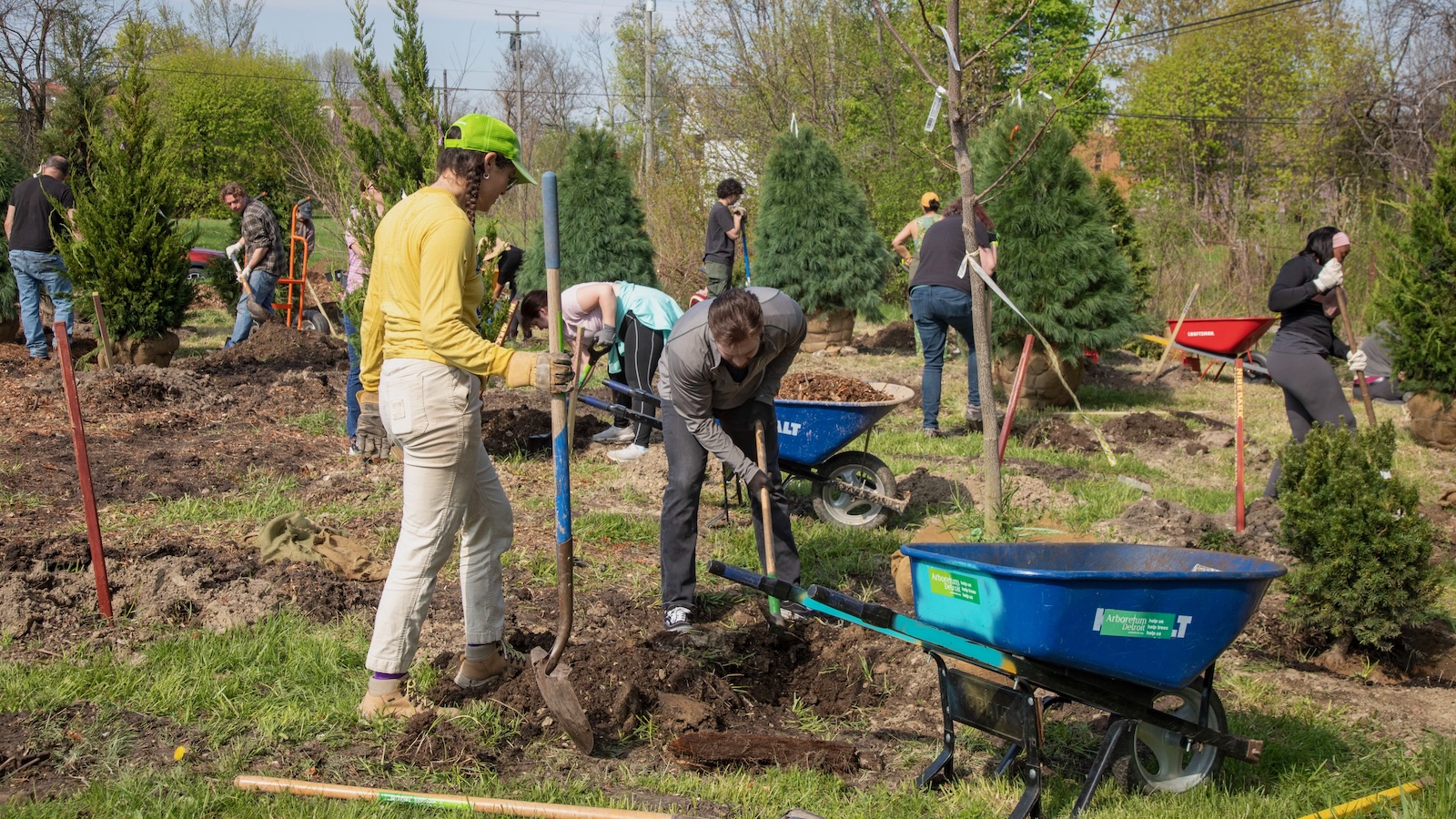
Cities face escalating heat stress as urban temperatures climb faster than rural areas, a phenomenon driven by heat-absorbing pavement, limited vegetation, and concentrated human activity. The solution proves straightforward: plant more trees.
Research from urban forestry programs demonstrates that tree canopy coverage directly reduces surface temperatures by 20 to 45 degrees Fahrenheit in shaded areas compared to exposed pavement. Trees cool through evapotranspiration, the process where plants release water vapor that absorbs heat energy from surrounding air. A single mature tree can cool an area equivalent to 10 room-sized air conditioning units operating 20 hours daily.
Yet most American cities maintain tree canopy coverage well below optimal levels. Studies show that 26 percent of urban land in the United States lacks tree coverage, with disparities striking in lower-income neighborhoods. These areas experience the heat island effect most acutely, facing both higher temperatures and fewer cooling benefits from vegetation.
The barriers to urban tree planting remain primarily financial and bureaucratic rather than ecological. Cities cite budget constraints, maintenance costs, and liability concerns as reasons for delayed canopy expansion. Some municipalities lack comprehensive tree inventories or long-term forestry plans. Infrastructure conflicts, including overhead power lines and underground utilities, further complicate planting efforts.
Despite these obstacles, evidence supports rapid expansion. Cities like Los Angeles, Miami, and Philadelphia have launched aggressive tree-planting campaigns, targeting tens of thousands of new trees annually. Los Angeles aims to expand its canopy from 21 percent to 35 percent coverage by 2050. These initiatives reduce cooling costs for residents, lower stormwater runoff, improve air quality by filtering particulates, and provide habitat for urban wildlife.
The economics align. Every dollar invested in urban tree planting generates four to six dollars in benefits through reduced energy consumption, stormwater management, and property value increases. Trees also reduce