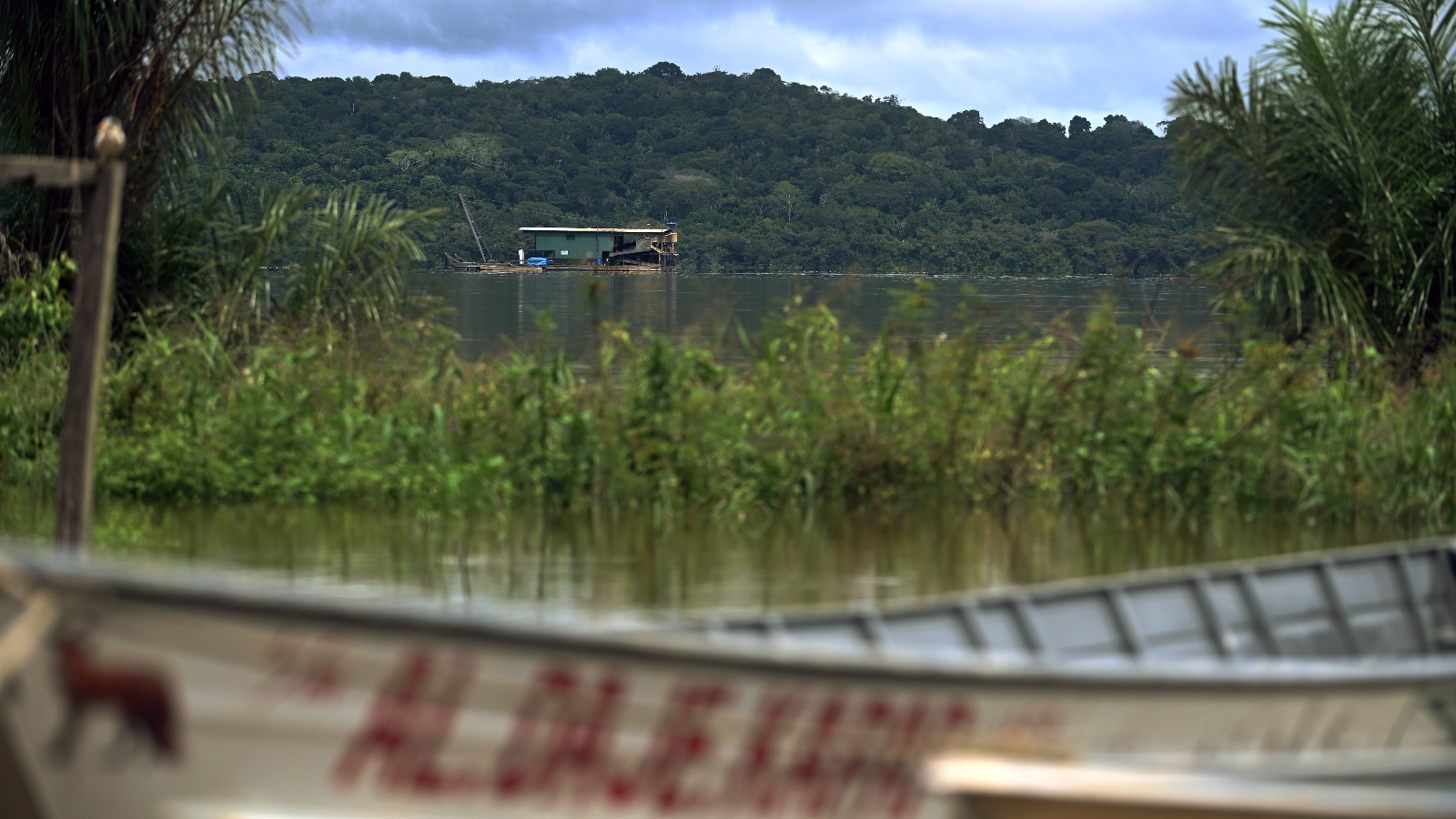
Brazil's government continues issuing mining licenses in the Amazon despite documented evidence of gold laundering operations poisoning Indigenous lands. An InfoAmazonia investigation documented systematic illegal gold laundering in the Tapajós River basin of Pará state, where the Munduruku people and other Indigenous communities face severe mercury contamination from upstream mining activity.
The pattern reveals a fundamental enforcement gap. Mining operators extract gold through methods that contaminate waterways with mercury, a neurotoxin that accumulates in fish and drinking water supplies. The laundered gold then enters formal markets through fraudulent documentation, obscuring its illegal origins. Yet Brazil's federal government approves new mining licenses in the same regions where this contamination occurs, suggesting licensing agencies ignore—or lack access to—evidence of illegal activity in their jurisdiction.
The Tapajós basin represents a microcosm of Brazil's Amazon policy conflict. The river system spans multiple Indigenous territories. Mercury from gold extraction builds up in sediments and aquatic organisms, exposing Munduruku communities to toxic exposure through subsistence fishing. Health impacts range from neurological damage to reproductive harm, with children particularly vulnerable.
The licensing pattern indicates that revenue incentives may override environmental enforcement. Brazil's mining sector generates substantial tax revenue and employment, creating institutional pressure to approve permits. Indigenous communities affected by contamination lack effective legal remedies. Federal environmental agencies tasked with monitoring mining operations operate with limited field capacity across the vast Amazon region.
This enforcement failure intersects with Brazil's broader deforestation trajectory. Mining operations require clearing forest for access roads and processing sites, compounding carbon losses. The gold laundering itself suggests organized criminal networks operate in Amazon mining zones with minimal consequence.
Indigenous groups have documented contamination through independent testing and health assessments. The Munduruku people have formally opposed new mining projects in their territory, but these objections carry no legal weight under current Brazilian regulations. The government's