Solar-integrated electric vehicles remain a niche market despite decades of development. Only five production models with built-in solar panels currently exist globally, reflecting persistent engineering and cost barriers that have stymied adoption.
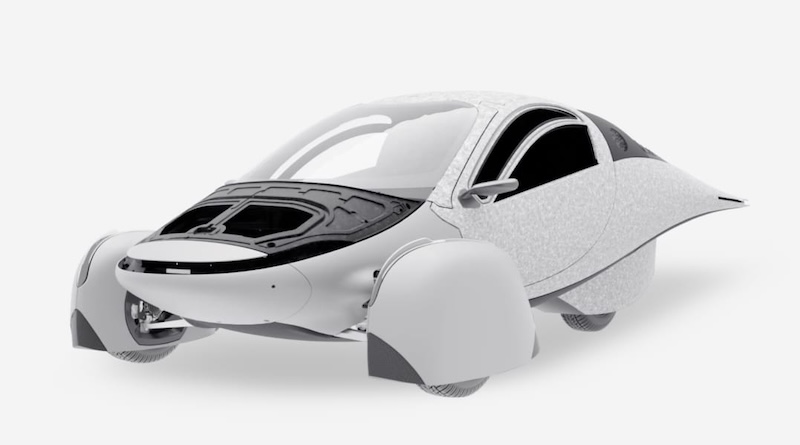
Aptera, a US startup, is pursuing the concept with a three-wheeled design prioritizing aerodynamic efficiency. The company's approach differs from earlier attempts by manufacturers like Toyota, which discontinued the Prius Prime's solar roof option due to minimal range gains. Hyundai's Sonata Hybrid offered solar integration that added roughly 1.4 kilometers of daily range under optimal conditions.
The fundamental challenge remains straightforward. Vehicle solar panels receive limited sunlight exposure. A car parked in sunlight captures roughly 1 kilowatt of power across its entire surface area at peak efficiency, while typical EV batteries require 60 kilowatts or more to charge meaningfully. Even the most efficient rooftop panels generate only 2 to 5 kilometers of additional daily range under favorable weather conditions.
Manufacturing complexity drives costs higher. Integration of photovoltaic cells into curved vehicle bodies requires custom production processes. Traditional panel manufacturing uses rigid, flat designs optimized for rooftops. Flexible solar cells exist but suffer from lower efficiency ratings and durability concerns in automotive applications.
Aptera's three-wheel design reduces surface area requirements compared to conventional cars, concentrating solar cells where they receive maximum exposure. The streamlined shape also reduces drag, stretching available range from battery power alone. The company targets a 0.15 coefficient of drag, roughly half that of conventional sedans.
Market demand remains thin. Solar-equipped vehicles command price premiums of $1,000 to $3,000 above conventional EVs. Consumer surveys indicate limited interest when range gains measure in single-digit kilometers daily. Geographic location matters significantly. Northern climates see minimal charging benefit