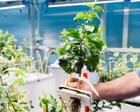
Cornell University horticulture professor Terence Robinson witnessed a devastating climate event in February 2015 that destroyed apple orchards across the northeastern United States. A sudden warm spell followed by a hard freeze killed buds on millions of apple trees, a pattern now repeating as climate volatility intensifies.
Scientists at Cornell and other institutions are racing to breed and engineer apple varieties that withstand the temperature swings, drought, and pest pressures linked to climate change. Robinson and his colleagues focus on rootstock development, studying how root systems interact with soil to improve water uptake and stress tolerance. They also examine genetic traits associated with cold hardiness and drought resistance across apple germplasm collections.
The work reflects growing urgency in fruit crop research. Wild temperature fluctuations pose a direct threat to apple production in traditional growing regions. The northeastern U.S. supplies roughly 10 percent of America's apples, but climate instability now threatens yields across this belt. Orchards face repeated crop failures when late frosts follow premature warm spells that trigger bud break.
Cornell's breeding program evaluates thousands of genetic crosses, looking for combinations that maintain fruit quality while improving climate resilience. Researchers test candidates under controlled stress conditions, measuring root vigor, water efficiency, and frost tolerance. Some promising lines show enhanced performance under drought scenarios increasingly common in growing regions.
The challenge extends beyond genetics. Orchard management practices must adapt alongside breeding efforts. Growers experiment with irrigation strategies, frost protection methods, and soil amendments to support stressed trees. Insurance and market pressures complicate these adjustments, as retailers demand consistent supply and uniform fruit.
Climate modeling suggests the apple-growing window will shift northward over decades, potentially pushing production toward Canada and cooler regions. Without intervention through breeding and adaptive management, traditional apple regions face economic disruption. The work happening in Robinson's lab addresses this threat directly by developing varieties that can