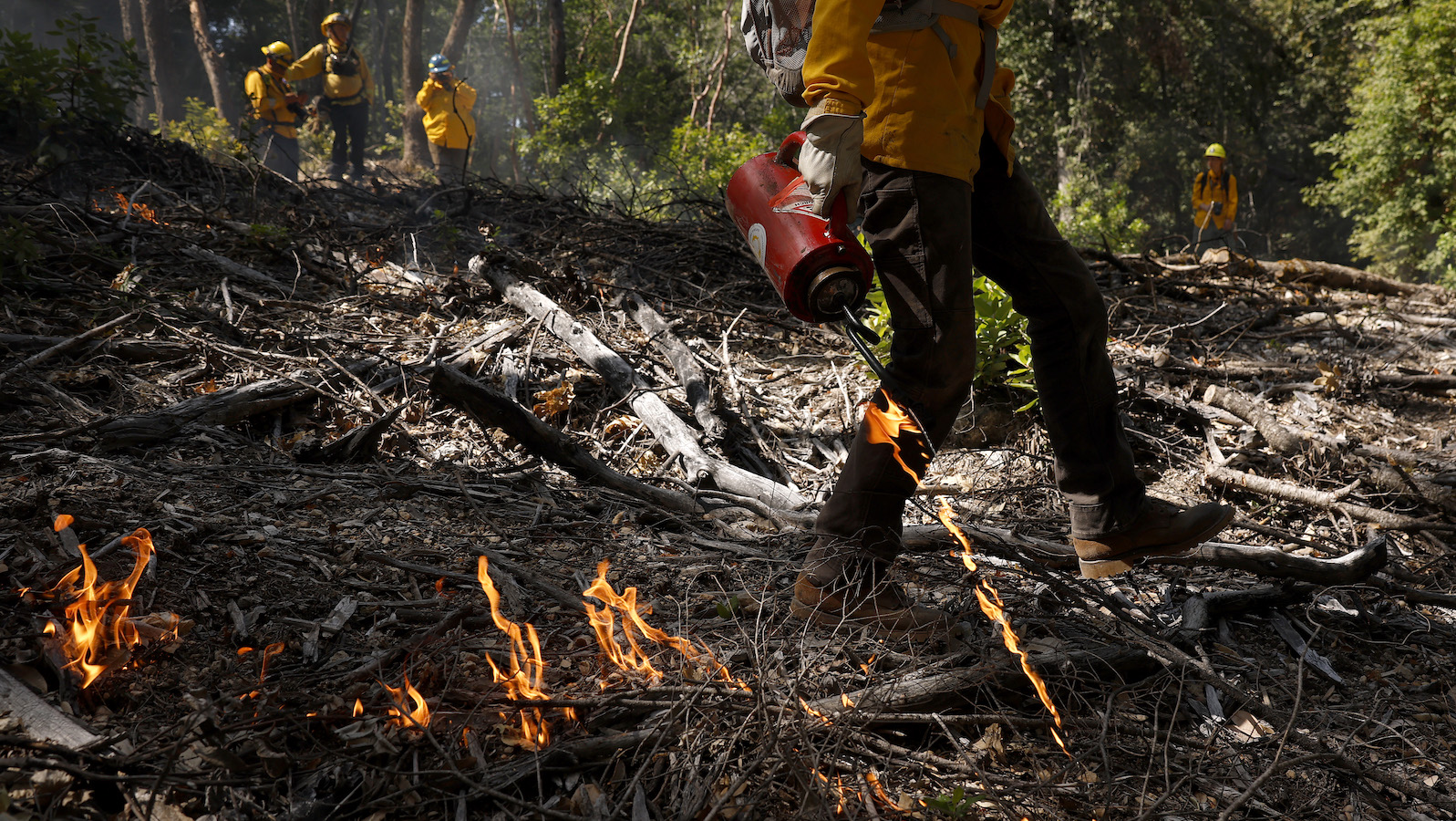
A new economic analysis demonstrates that controlled burns deliver substantial financial returns for taxpayers. The U.S. Forest Service found that every dollar invested in fuel reduction and prescribed fire work prevents nearly four dollars in wildfire damages.
The research examined decades of wildfire data across federal forestlands, comparing prevention spending against documented losses from uncontrolled fires. These losses include suppression costs, destroyed infrastructure, and post-fire recovery expenses. The four-to-one return ratio represents one of the strongest cases for aggressive prevention funding in federal land management.
Controlled burns reduce accumulated dead vegetation and dense undergrowth that fuels catastrophic wildfires. When performed during optimal weather windows, these fires lower fuel loads without triggering the extreme, uncontrollable blazes that have devastated western states in recent years. The 2021 Dixie Fire in California burned nearly 1 million acres and destroyed nearly 5,000 structures, costs that prevention spending could have substantially reduced.
Despite clear economic benefits, the Forest Service historically allocates most funding to emergency suppression rather than prevention. This reactive approach strains budgets during peak fire seasons. Western states experienced $18.5 billion in fire suppression costs between 2010 and 2020, according to federal data. Shifting funding toward controlled burns would reposition resources toward cost-effective risk reduction.
Implementation challenges remain. Controlled burns require specific weather conditions, trained personnel, and community coordination. Smoke impacts and liability concerns deter some agencies from conducting burns at necessary scales. Climate change has lengthened fire seasons, compressing windows for safe prescribed fire work.
The research adds momentum to proposals in Congress and state legislatures that would increase prescribed fire funding. California, Oregon, and other western states have expanded controlled burn programs. Federal agencies have committed to treating millions of additional acres annually, though actual implementation lags stated goals.
Policymakers face a