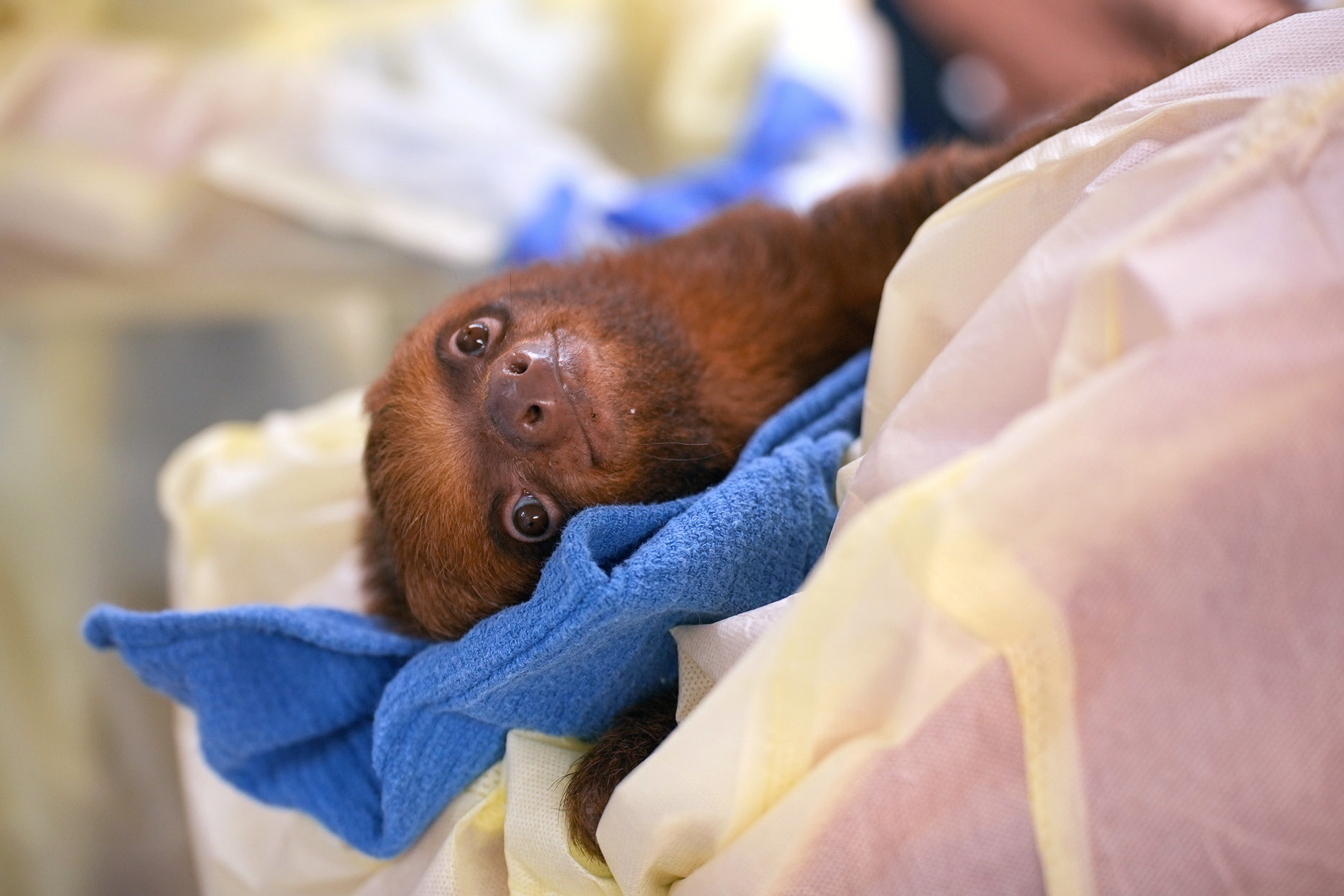
Florida's Fish and Wildlife Conservation Commission issued a two-month ban on sloth imports this week, responding to mass mortality at an Orlando facility that housed dozens of wild-caught animals. The action blocks a growing trade in exotic pets and wild animals destined for private ownership and commercial display.
The deaths at the now-shuttered Orlando business prompted FWC to suspend all import permits for sloths effective immediately. Officials have not released exact mortality figures or specific causes of death, but the incident exposed gaps in how Florida regulates the capture, transport, and care of wild-born mammals entering the state.
Sloths face mounting pressure in their native Central and South American habitats from deforestation and habitat fragmentation. The international pet trade compounds these threats by extracting animals from wild populations. Unlike domesticated species, wild-born sloths struggle to adapt to captivity. Their slow metabolism, specialized diet of leaves, and complex social needs make survival in artificial environments difficult.
The temporary ban affects importers across the southeastern United States, since Florida serves as a major entry point for exotic animals shipped through Miami and other ports. The measure signals growing concern about the welfare costs and ecological impacts of the wildlife trade.
FWC's action, while limited in duration, creates space for the agency to develop stronger import standards. The commission has announced plans to review its permitting process and animal care requirements during the two-month window.
Animal welfare advocates have called for permanent restrictions on wild animal imports. The incident aligns with broader recognition that private ownership of exotic species poses animal welfare and public health risks. In recent years, states including California and New York have tightened restrictions on exotic pet imports.
The economic drivers of the sloth trade remain powerful. Sloths draw tourist dollars at roadside attractions and private facilities across Florida. Whether FWC will convert the temporary ban into permanent protections depends on findings from the current review