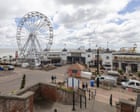
Clacton-on-Sea has the lowest tree cover of any constituency in England, according to new research by the Woodland Trust. The Essex town rates as a "tree desert," with 98.2% of urban residents living in neighborhoods with critically low access to trees. This absence of woodland exposes residents to elevated air pollution, compromised health outcomes, reduced life expectancy, and increased vulnerability to heat stress as temperatures rise.
The Woodland Trust analysis reveals a stark north-south divide in England's tree distribution. Urban areas across the nation lack equitable access to green space, but southern constituencies face particularly acute deficits. Tree cover provides documented public health benefits. Proximity to woodland reduces air pollution exposure, lowers rates of respiratory disease, decreases stress, and moderates urban temperatures during heat waves. Communities with minimal tree access experience compounding health disadvantages.
Clacton-on-Sea's extreme tree scarcity places its population at particular risk. The constituency encompasses residential areas where fewer than two percent of neighborhoods meet baseline standards for tree accessibility. This pattern reflects broader urban planning failures in post-industrial towns where development prioritized infrastructure over green infrastructure.
The research documents how unequal tree distribution compounds existing health inequities. Lower-income neighborhoods, which often feature less tree canopy than affluent areas, experience disproportionate heat exposure and air quality challenges. As climate change intensifies, urban heat island effects in treeless zones pose escalating risks to vulnerable populations including elderly residents and those with pre-existing respiratory conditions.
The Woodland Trust findings underscore the relationship between environmental justice and public health. Local authorities control planning decisions that determine tree planting and preservation. Constituencies with minimal tree cover require urgent intervention through reforestation programs, green infrastructure investment, and planning regulations that mandate woodland retention in new development.
Farage represents Clacton-on-Sea in Parliament, making the constituency