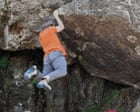
Eben Muse recounts a climbing expedition to Carn Ffoi in the Preseli Hills of Pembrokeshire, Wales, a landscape defined by volcanic rock formations and exposed hilltop terrain. The writer describes scouting the jagged rock edge from his temporary residence, waiting for recent storms to clear and winds to dry the boulders before attempting the ascent.
Muse approaches the climb without established trails, choosing instead to navigate the broken tors scattered across the hillside. This off-path route presents both physical and logistical challenges. Bouldering on volcanic rock inflicts wear on the hands, demanding strength and technique. The absence of marked pathways requires independent route-finding and increases the technical difficulty of the endeavor.
The Preseli Hills hold historical and geological significance. The landscape's volcanic origins created the distinctive rocky outcrops that attract climbers and hikers. The region's exposure to Atlantic weather systems brings the storms Muse references, which shape both the terrain and climbing conditions.
This account exemplifies how outdoor recreation intersects with landscape appreciation and environmental observation. Muse's detailed attention to weather patterns, rock conditions, and topography reflects a climber's practical knowledge of how natural forces prepare or hinder access to wild places. The decision to tackle Carn Ffoi directly rather than follow established routes connects his personal physical challenge to a deeper engagement with the Pembrokeshire terrain.
The Preseli Hills support diverse ecosystems and remain largely undeveloped, preserving their open moorland character. Climbing expeditions like Muse's represent low-impact recreation that depends on maintaining the landscape's natural state. The writer's focus on volcanic rock formations underscores how geology shapes both human experience and ecological value in Welsh upland regions.