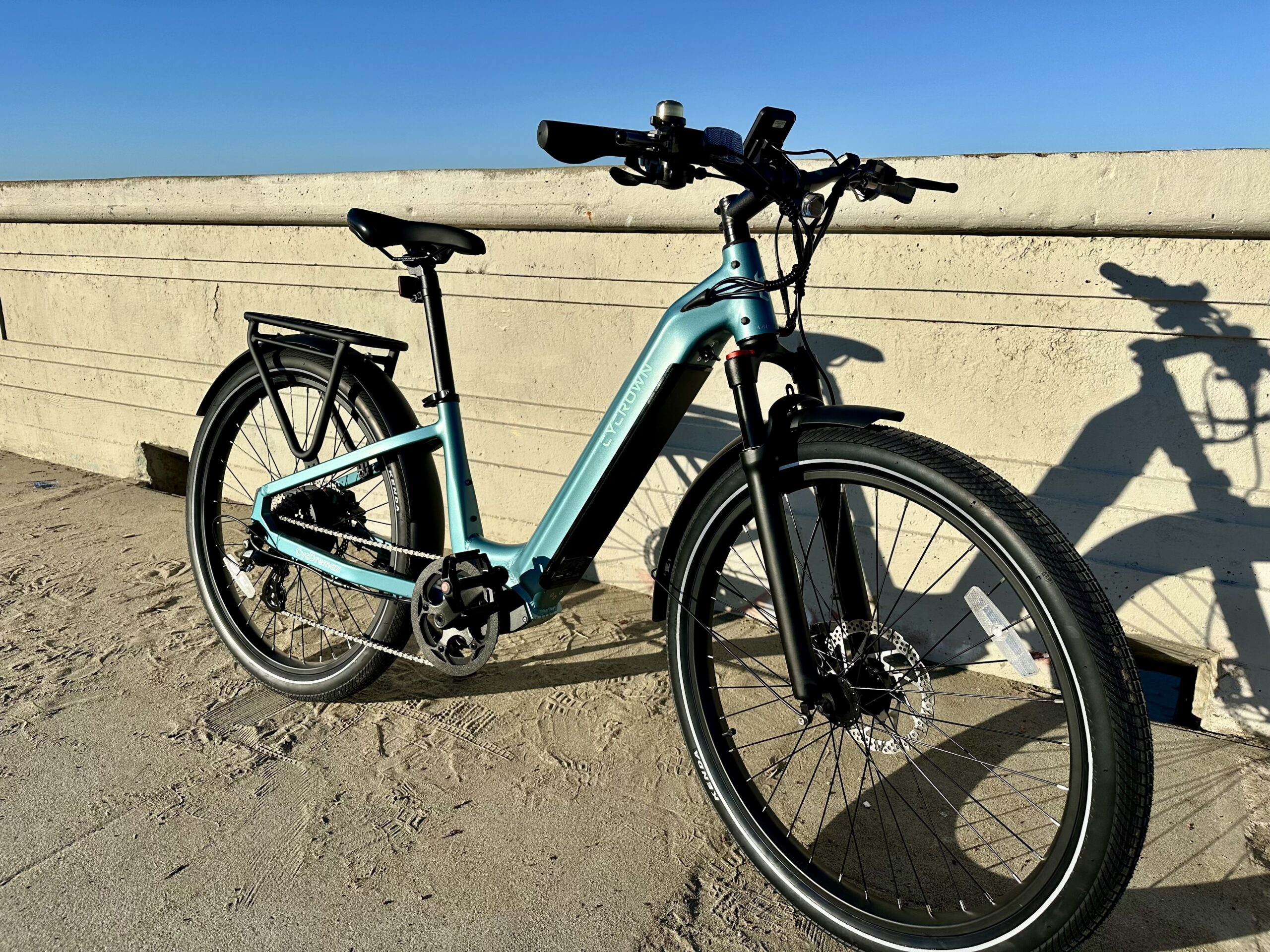
Ava Community Energy has distributed 15,000 e-bike rebates to encourage residents to replace gas-powered commutes with electric two-wheelers. The program reflects growing municipal investment in last-mile transportation as a emissions-reduction strategy.
E-bikes reduce transportation emissions by displacing short car trips that typically account for a significant share of urban vehicle miles. A 2023 study in Nature Energy found that widespread e-bike adoption could cut transport emissions by 7 percent in developed nations if paired with grid decarbonization. The devices produce zero direct emissions during operation and require substantially less energy to manufacture and operate than electric cars.
Ava Community Energy's rebate initiative targets the primary barrier to e-bike adoption: upfront cost. Most quality electric bicycles range from $1,200 to $3,500, pricing them beyond reach for many households. Rebate programs reduce this friction by lowering effective purchase price at point of sale or through reimbursement.
The scale of Ava's program places it among significant municipal e-bike incentive efforts. Cities including Denver, San Francisco, and Portland have implemented rebate programs ranging from $400 to $1,500 per purchase. Research from the Institute for Transportation and Development Policy shows rebate programs increase e-bike sales by 150 to 300 percent in targeted communities.
Transportation accounts for roughly 27 percent of U.S. greenhouse gas emissions, with light-duty vehicles responsible for 58 percent of that total. The EPA reports that the average passenger car emits 4.6 metric tons of carbon dioxide annually. An e-bike rider eliminates emissions from car trips while creating minimal manufacturing carbon footprint.
Ava's distribution of 15,000 rebates suggests procurement of approximately 4,200 to 7,500 metric tons in avoided annual emissions if recipients