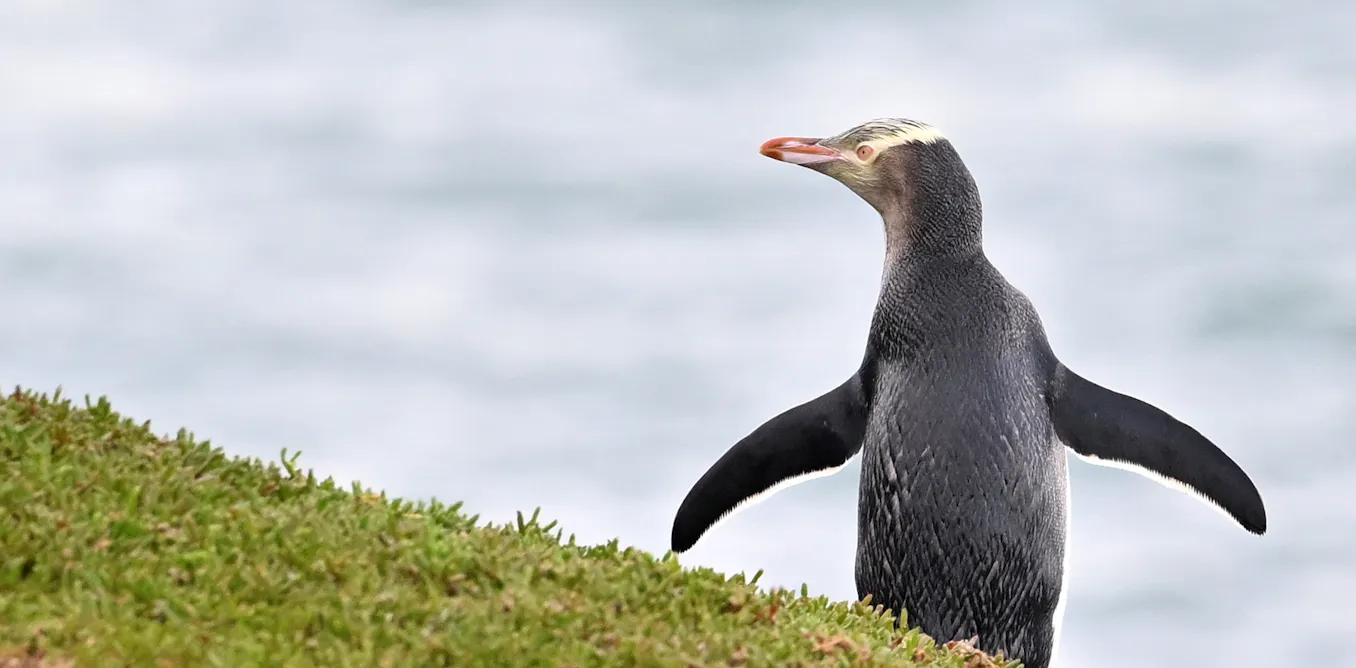
New genetic research reveals the endangered yellow-eyed penguin consists of three distinct subspecies rather than one, fundamentally reshaping conservation strategy for this New Zealand native. Scientists discovered that the mainland population faces the most severe extinction risk of the three groups.
The findings emerged from detailed genetic analysis that identified previously unrecognized population divisions among yellow-eyed penguins, known locally as hoiho. The mainland subspecies represents the most critically threatened lineage and requires immediate, targeted intervention to prevent collapse.
Yellow-eyed penguins inhabit only New Zealand waters and rank among the world's rarest penguin species. Population numbers have declined sharply over recent decades due to fishing net entanglement, introduced predators, disease, and habitat degradation. The species currently numbers fewer than 3,000 breeding pairs.
The subspecies distinction matters operationally. Conservation efforts must now account for the genetic and ecological differences between mainland birds and their island counterparts. Island populations, while still vulnerable, show greater resilience than mainland birds struggling with terrestrial predation and human disturbance. Resources previously allocated across the entire species now require concentration on the mainland lineage to maximize survival odds.
This research reflects broader genetic insights reshaping wildlife management. Understanding population structure allows conservationists to prioritize breeding programs, habitat restoration, and predator control where they deliver greatest impact. The mainland hoiho needs urgent action on multiple fronts: predator exclusion, nest protection, and breeding rehabilitation efforts.
New Zealand's Department of Conservation already runs intensive management programs for yellow-eyed penguins, including hand-rearing chicks and treating diseases. The subspecies discovery adds precision to these efforts, allowing managers to design interventions specifically matching mainland population needs rather than applying generic species-wide protocols.
The race intensifies because mainland yellow-eyed penguins stand at a precarious threshold. Without accelerated conservation