# Budget Allocates Funds to Health Services, Avoids Major Reform
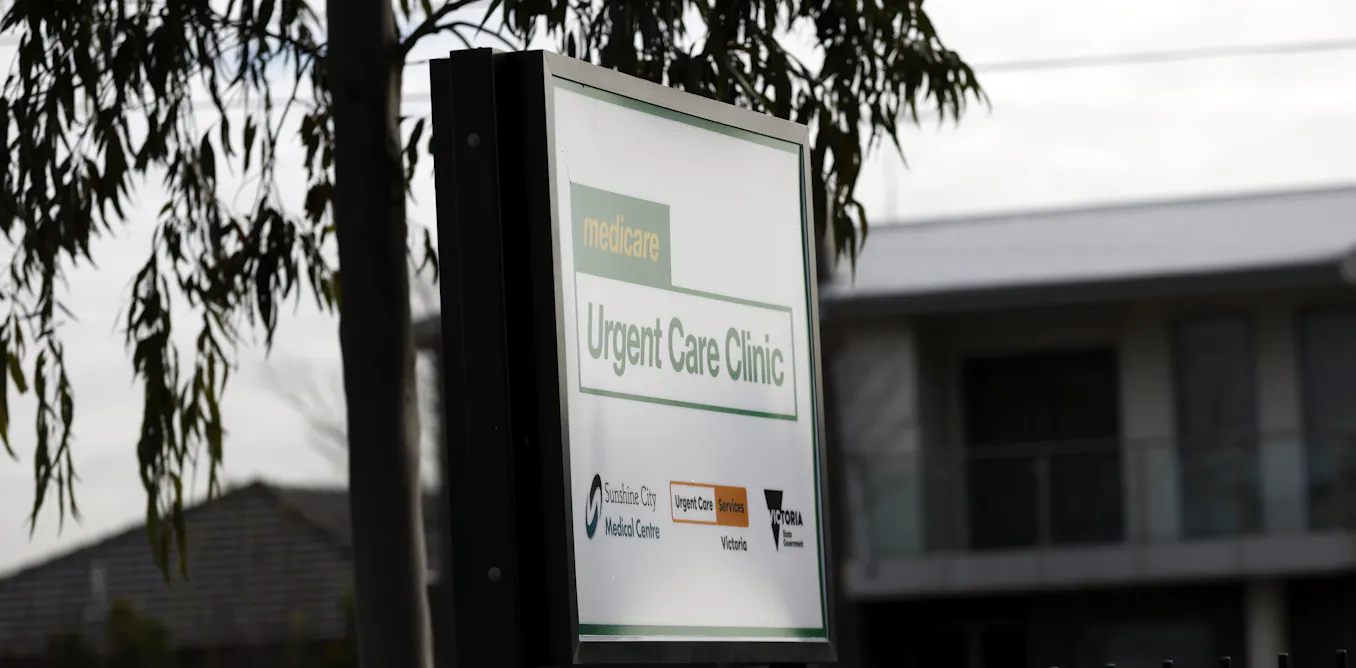
Australia's latest budget prioritizes funding for existing health infrastructure over structural reform. The government directed resources toward urgent care clinics, medicines, and vaccines, according to an analysis from The Conversation.
The budget increases support for primary care access through expanded urgent care services, reducing pressure on hospital emergency departments. Funding flows to the Pharmaceutical Benefits Scheme for medication subsidies and immunization programs, maintaining current service levels rather than reshaping how healthcare operates.
The approach reflects a cautious fiscal strategy. Rather than overhauling payment models or addressing workforce shortages, the budget opts to inject capital into proven systems. This maintains continuity for patients relying on existing pathways to care.
The decision sidesteps major reforms that health advocates argue are overdue. Staffing gaps in general practice, wait times for elective surgery, and mental health service bottlenecks remain unaddressed through structural change. Instead, incremental funding aims to manage demand within present frameworks.
Vaccine and medication access receives bolstered support, addressing immediate public health needs. Expansion of urgent care services offers an intermediate option between GP consultations and emergency departments, potentially easing pressure on overwhelmed hospital systems.
Critics note that funding existing services without reform risks compounding long-term inefficiencies. Population growth and aging demographics will strain current capacity regardless of budget injections. Healthcare economists argue targeted restructuring of payment incentives and service delivery models would yield greater returns on investment.
The budget reflects political pragmatism. Major health system overhauls court controversy and implementation complexity. Funding existing services delivers tangible near-term benefits without the risk and disruption reform entails.
For Australians, the outcome means maintained access to familiar health pathways with marginal improvements in speed and availability. Systemic pressures remain, deferred rather than resolved.