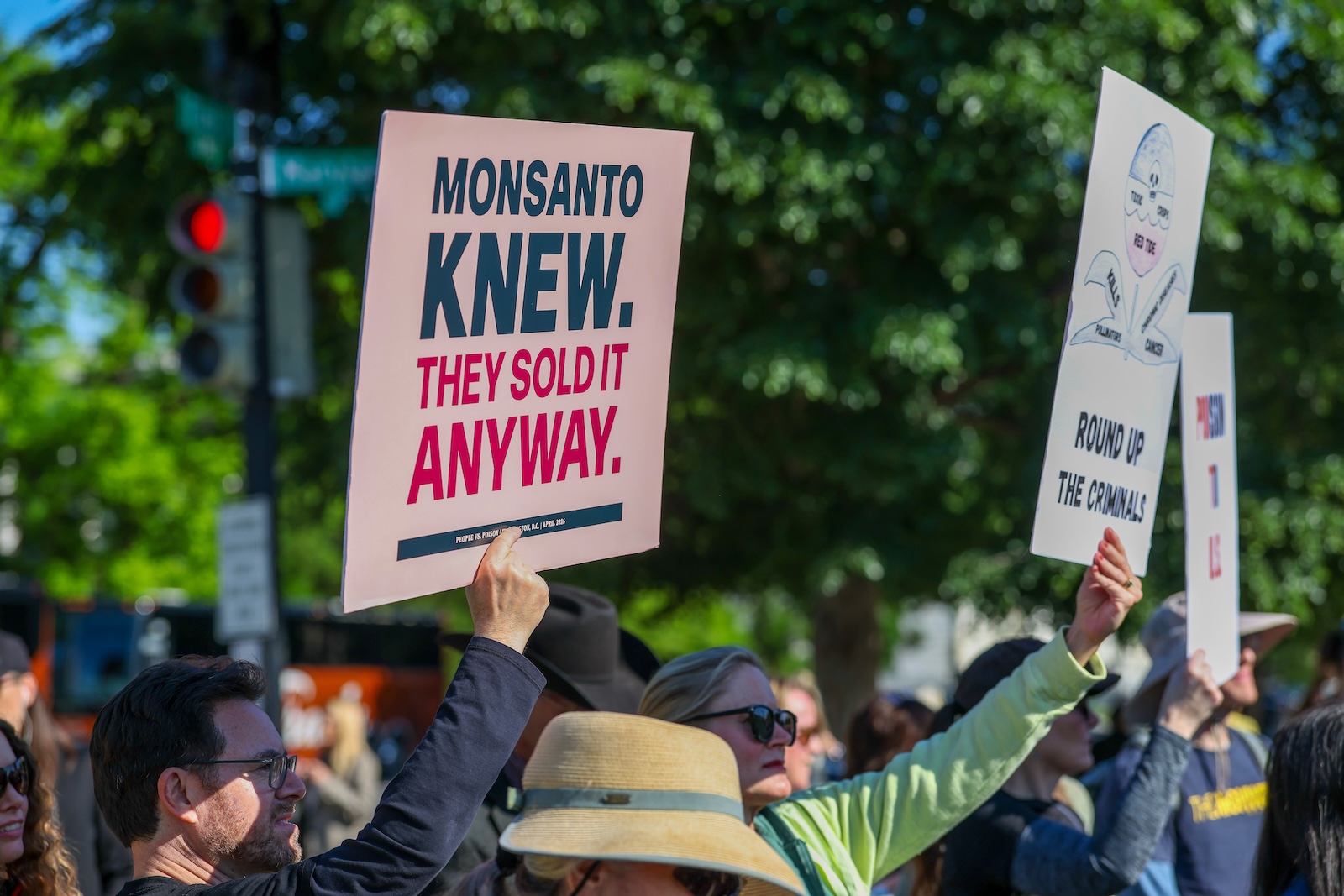
The Supreme Court will decide whether glyphosate, the active ingredient in Roundup, must carry a cancer warning on its label. The case tests competing pressures on pesticide regulation and touches the Trump administration's deregulatory agenda.
California's environmental health agency added glyphosate to its list of known carcinogens in 2015, triggering state labeling requirements. Bayer, which acquired Roundup's maker Monsanto in 2018, challenged the warning. The company argues that federal pesticide law preempts state labeling mandates and that scientific evidence does not support cancer risk designation.
The International Agency for Research on Cancer classified glyphosate as "probably carcinogenic to humans" in 2015 based on limited evidence from animal studies and some epidemiological data. The EPA maintains that glyphosate is not carcinogenic at approved use levels. This scientific disagreement sits at the case's center.
The Supreme Court must resolve whether states can impose labeling requirements that conflict with federal EPA determinations. Bayer contends that allowing California's warning would undermine uniform national pesticide standards. Environmental groups and California attorneys general counter that states retain authority to protect residents from substances linked to health risks, particularly when federal agencies disagree with international findings.
The ruling carries stakes beyond Roundup. Millions of pounds of glyphosate enter U.S. agriculture annually, used on conventional crops and as a desiccant on wheat and other grains. Residential use remains widespread in lawns and gardens. A decision favoring state labeling authority would empower California and other states to impose warnings on pesticides despite federal clearance. A decision for Bayer would limit state-level pesticide regulation and affirm federal preemption.
The case also presents political crosscurrents. Trump's EPA historically sided with pesticide manufacturers on regulation.