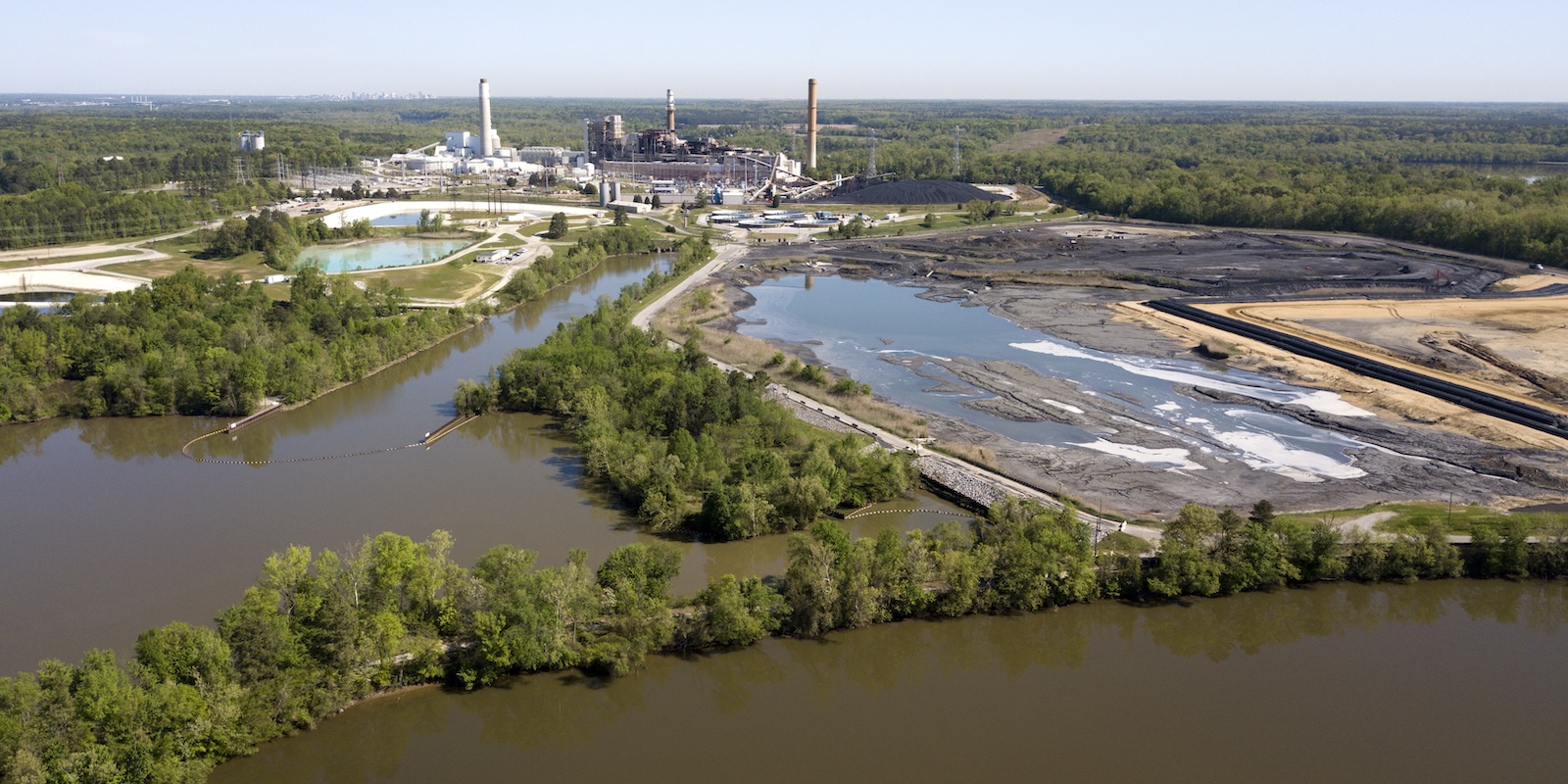
The Environmental Protection Agency proposes transferring responsibility for monitoring toxic coal ash disposal sites from federal oversight to individual states. The shift occurs as state environmental agencies face significant budget cuts that limit their capacity for regulatory work.
Coal ash, the residue left behind after burning coal for electricity, contains heavy metals including arsenic, mercury, and selenium. The EPA currently enforces national standards for how utilities store and dispose of this waste in surface impoundments and landfills. Transferring this monitoring function to states would reshape how the nation tracks contamination risks at hundreds of coal plants across the country.
The timing raises concerns among environmental groups. Many state environmental departments have experienced consecutive budget reductions over the past decade, limiting staff and resources for new regulatory responsibilities. States already struggling to manage existing water quality, air quality, and waste programs would assume coal ash oversight without corresponding federal funding.
Coal ash impoundments have documented contamination records. Unlined ponds leach heavy metals into groundwater supplies. The 2008 failure of a coal ash pond at a Tennessee Valley Authority plant released 300 million gallons of toxic sludge, demonstrating the consequences of inadequate monitoring. Multiple states have reported groundwater contamination near coal ash sites in recent years.
The EPA has jurisdiction under the Resource Conservation and Recovery Act to regulate coal ash as either hazardous or non-hazardous waste. Current regulations allow states to implement their own programs, but the agency maintains enforcement authority. Shifting to state primacy would require states to demonstrate adequate program capacity.
Environmental advocates argue this proposal weakens protections. They contend that federal oversight ensures consistent standards across state lines and prevents regulatory gaps. States with underfunded departments lack capacity to conduct regular inspections and water testing necessary for early contamination detection.
Industry groups support the devolution, arguing states understand local geology and conditions better than federal regulators. Utilities maintain that proper coal ash