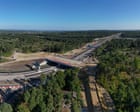
The UK's first dedicated wildlife crossing over a motorway opens this month in Surrey, addressing a critical threat to fragmented animal populations.
Cockrow Bridge, spanning the M25 near Wisley Common, provides amphibians, reptiles, and insects passage between isolated habitats. James Herd, director of reserves management at Surrey Wildlife Trust, documents the problem directly. Seventeen years ago, the heathland reserve hosted abundant wildlife. "I'd take the dog around the common in spring and summer, and every few hundred metres I'd hear the rustle of a lizard in the undergrowth and I'd see adders," he recalls. Over the past decade, populations have collapsed.
Roads fragment habitats into disconnected patches, preventing animals from breeding with distant populations and accessing food sources. Motorways pose particular hazards. Vehicles traveling at 70 mph create barriers that many species cannot cross safely. Smaller animals like common lizards, smooth snakes, and insects face near-certain death attempting to traverse tarmac.
The Cockrow Bridge design reflects growing evidence that wildlife underpasses and overpasses work. Studies from across Europe demonstrate animals use these structures when properly constructed and landscaped with native vegetation. The bridge creates a continuous habitat corridor, allowing genetic exchange between populations and reducing road mortality.
Habitat fragmentation ranks among Britain's leading conservation challenges. The State of Nature report documents widespread species decline linked directly to landscape breakdown. Road networks carved through woodlands, heaths, and wetlands isolate breeding populations, reducing resilience to climate change and disease.
Cockrow Bridge represents incremental progress on a motorway system that destroys thousands of animals annually. The structure cost approximately £4 million and took years to plan and fund. Scaling similar crossings across England's 2,300 miles of motorways would require sustained investment and political commitment.
Wildlife organizations view