# Rural North Carolina fights back against PFAS contamination
A North Carolina nonprofit is mobilizing to address per- and polyfluoroalkyl substances (PFAS) contamination in rural communities across the state. These synthetic chemicals, known as "forever chemicals" for their persistence in the environment and human bodies, accumulate in water supplies and soil with virtually no natural degradation pathway.
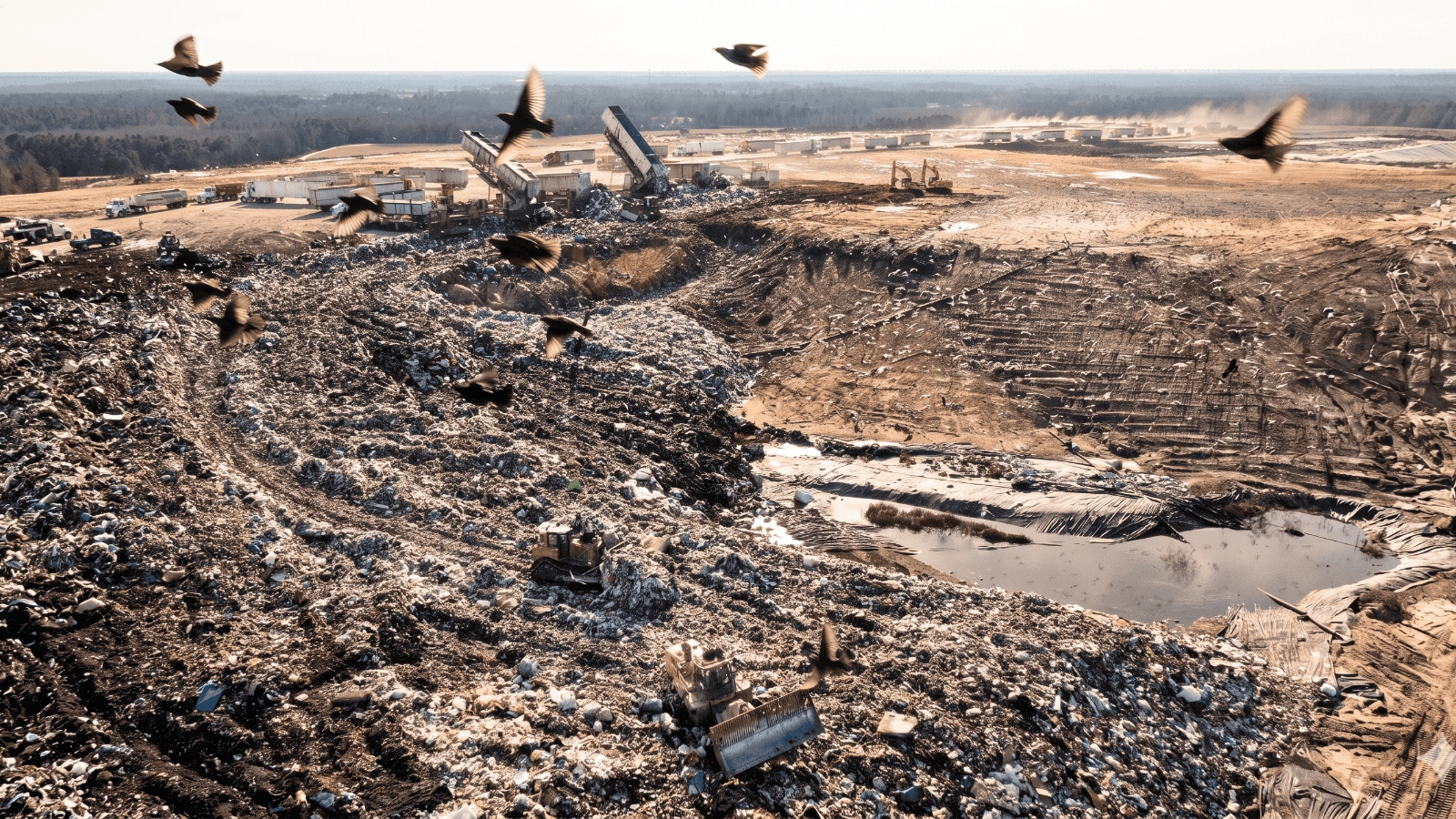
PFAS compounds enter groundwater primarily through industrial discharge, aqueous film-forming foams (AFFF) used in firefighting training and emergency response, and landfill leachate. Rural areas face particular vulnerability because they often rely on private wells rather than municipal water systems, which face less regulatory oversight and testing requirements than public utilities.
The North Carolina nonprofit is focusing on data collection and community education in underserved regions. Rural residents frequently lack access to water quality testing and remediation resources available in urban areas. Private well owners bear full responsibility for testing and treatment costs, creating barriers for low-income households.
PFAS exposure carries documented health risks. The Environmental Protection Agency established a lifetime health advisory of 0.07 micrograms per liter for two commonly studied PFAS compounds, perfluorooctanoic acid (PFOA) and perfluorooctane sulfonate (PFOS), in 2022. Studies link PFAS exposure to kidney and testicular cancer, thyroid disease, immune suppression, and developmental effects in children.
The nonprofit's work fills a critical gap. North Carolina has not established state drinking water standards for PFAS, despite federal regulatory movement. The EPA proposed stricter national maximum contaminant levels in 2023, with final rules expected in 2024.
Rural communities lack institutional infrastructure to combat PFAS. Agricultural areas near military bases, airports, and industrial facilities face compounded risk. Groundwater contamination spreads slowly