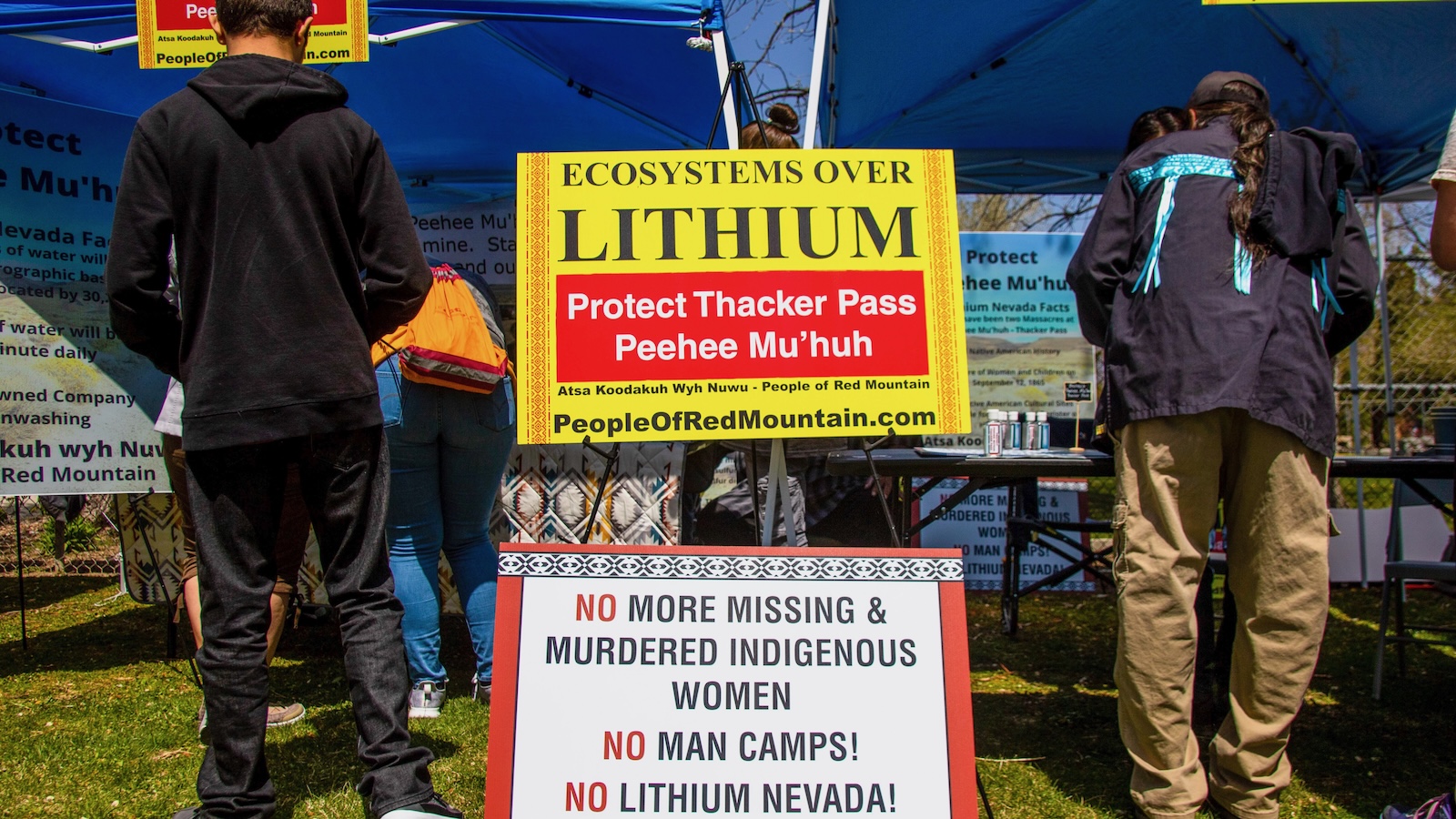
Nevada's lithium extraction boom is proceeding without meaningful consultation with Indigenous tribes, according to a joint investigation by Amnesty International and Indigenous leaders. The report documents how mining permits advance despite tribal objections and inadequate consideration of water impacts on reservation lands.
Two major lithium projects dominate the landscape. Thacker Pass, operated by Lithium Americas, targets 5.2 million metric tons of ore annually once operational. Rhyolite Ridge, a joint venture between Ioneer and Sumitomo, aims for 40,000 metric tons of lithium carbonate yearly. Both sites sit in regions with significant Indigenous presence, particularly the Northern Paiute and Shoshone nations.
The core conflict centers on water depletion. Nevada's Great Basin aquifer already faces strain from agricultural demands and urban growth. Lithium extraction requires substantial water volumes, yet tribes report minimal involvement in environmental assessments that should quantify these impacts. The Western Shoshone Consolidated Council and Northern Paiute tribal leaders state that consultation often amounts to notification after decisions are made.
Federal agencies overseeing these projects include the Bureau of Land Management and the Forest Service. Amnesty International's report criticizes the pace at which permits move through review processes, claiming inadequate time exists for meaningful tribal engagement. The organization cites violations of consultation requirements under the National Historic Preservation Act and tribal consultation protocols.
Lithium demand continues climbing as electric vehicle production accelerates. The U.S. Geological Survey projects domestic lithium demand will triple by 2040. Nevada holds an estimated 18 percent of global lithium reserves, making it central to battery supply chains. Yet this economic pressure, Amnesty argues, does not justify bypassing Indigenous rights protections.
Tribal leaders emphasize that consultation should occur before project approval, not after. They point to precedent in other sectors where