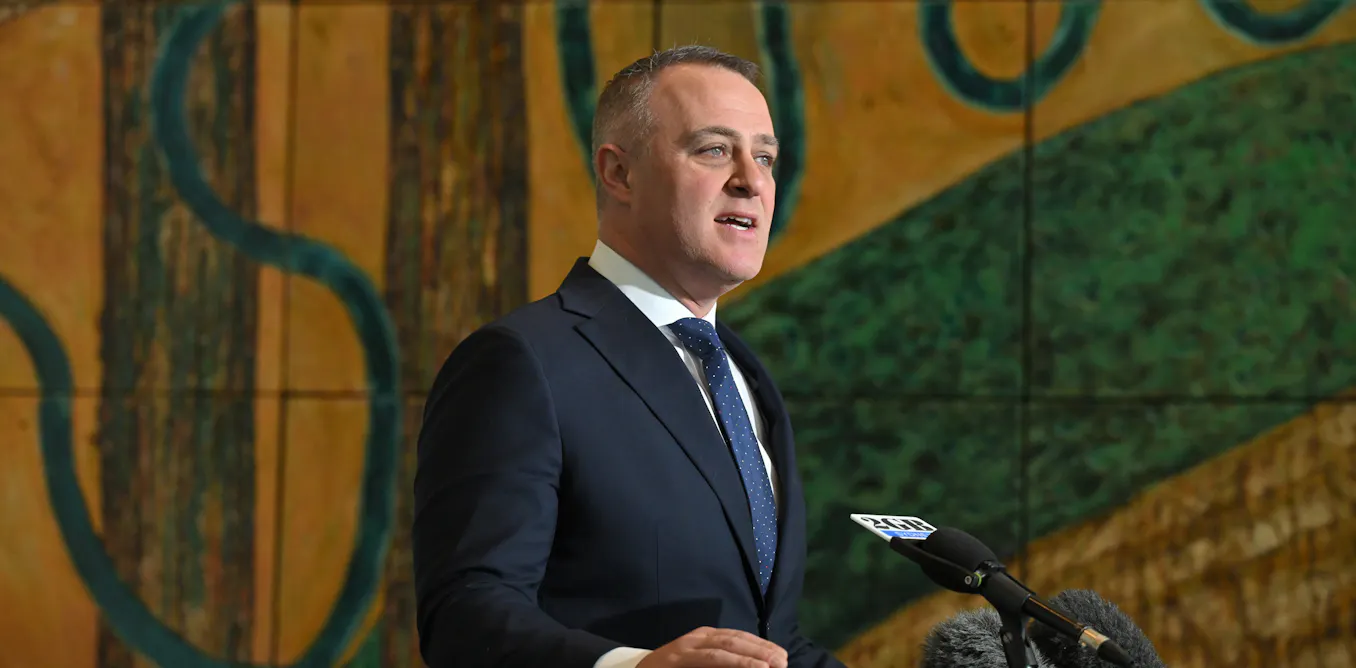
Opposition shadow treasurer Tim Wilson is mounting a political challenge to Labor's tax changes, claiming they will worsen rental pressures and harm young Australians' economic prospects.
Wilson argues the budget contains "hidden hits" on younger Australians through tax policy adjustments that he contends will reduce investment incentives and ultimately increase housing costs. He plans to use these claims as a centerpiece of the Coalition's budget response, framing the measures as economically damaging to a generation already facing affordability challenges.
The shadow treasurer's position reflects a broader political debate over how tax policy affects housing supply and rental markets. Labor's tax changes target certain deductions and investment incentives, which the government says will improve budget sustainability and redirect resources toward social spending. Wilson characterizes these same measures as counterproductive, claiming they will "kneecap" young Australians by reducing property investment that could add to housing stock.
This disagreement centers on economic mechanisms. Supporters of Labor's approach argue that current tax concessions for property investors primarily benefit wealthy Australians and don't translate into affordable housing for renters. Opposition critics like Wilson contend that reducing investment incentives will shrink the rental property market, tightening supply and raising rents for tenants.
The political stakes involve younger voters facing historically high rental costs and limited home ownership prospects. Both major parties claim their approach benefits this demographic, but through opposing mechanisms. Labor emphasizes budget reallocation toward housing assistance and affordability programs. The Coalition emphasizes tax settings that it says encourage private investment in rental properties.
Wilson's strategy targets swing voters and younger demographics who may prioritize housing costs. Whether tax policy changes materially affect rental supply remains contested among economists, with research showing multiple factors influence housing markets, including zoning regulations, construction costs, and population growth alongside investment incentives.