More than 60 charities are calling on Britain's Labour government to introduce a clean air act before Wednesday's King's Speech, reviving a pledge the party abandoned during its election campaign.
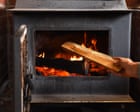
Labour promised the legislation while in opposition in 2023, positioning clean air as a human right. The party dropped the commitment from its final election manifesto and has not yet signaled plans to resurrect it. The charities want the act to ban wood burning in homes, remove diesel vehicles from roads, and mandate councils to reduce air pollution in their areas.
Air pollution kills an estimated 40,000 people annually in the UK, according to public health research. Fine particulate matter and nitrogen dioxide from vehicle emissions remain the primary culprits, with diesel cars a major source of the latter. Wood burning, while historically common, contributes substantially to winter air quality degradation in urban areas.
The government currently enforces air quality standards set by EU regulations that Britain retained after leaving the European Union. However, the UK has fallen behind on implementing stronger protections. The charities argue that a comprehensive clean air act would establish enforceable targets for local authorities and create legal duties to improve air quality in polluted zones.
A clean air act would represent a shift toward treating air quality as a legal right rather than a voluntary compliance issue. Such legislation exists in other jurisdictions. Germany and France have implemented stricter wood-burning bans and vehicle emission standards through comprehensive environmental frameworks.
The charities' push comes as the government prepares its legislative agenda. Ministers face pressure to balance environmental commitments against concerns from rural constituencies where wood burning remains common and from the automotive industry. The Department for Environment, Food and Rural Affairs has not publicly committed to introducing the act, leaving its prospects uncertain ahead of the King's Speech.